A group of experts and other stakeholders have called for immediate and lasting policy to include children with disabilities in the nation’s budget to ensure inclusion and well being of the vulnerable in the country.
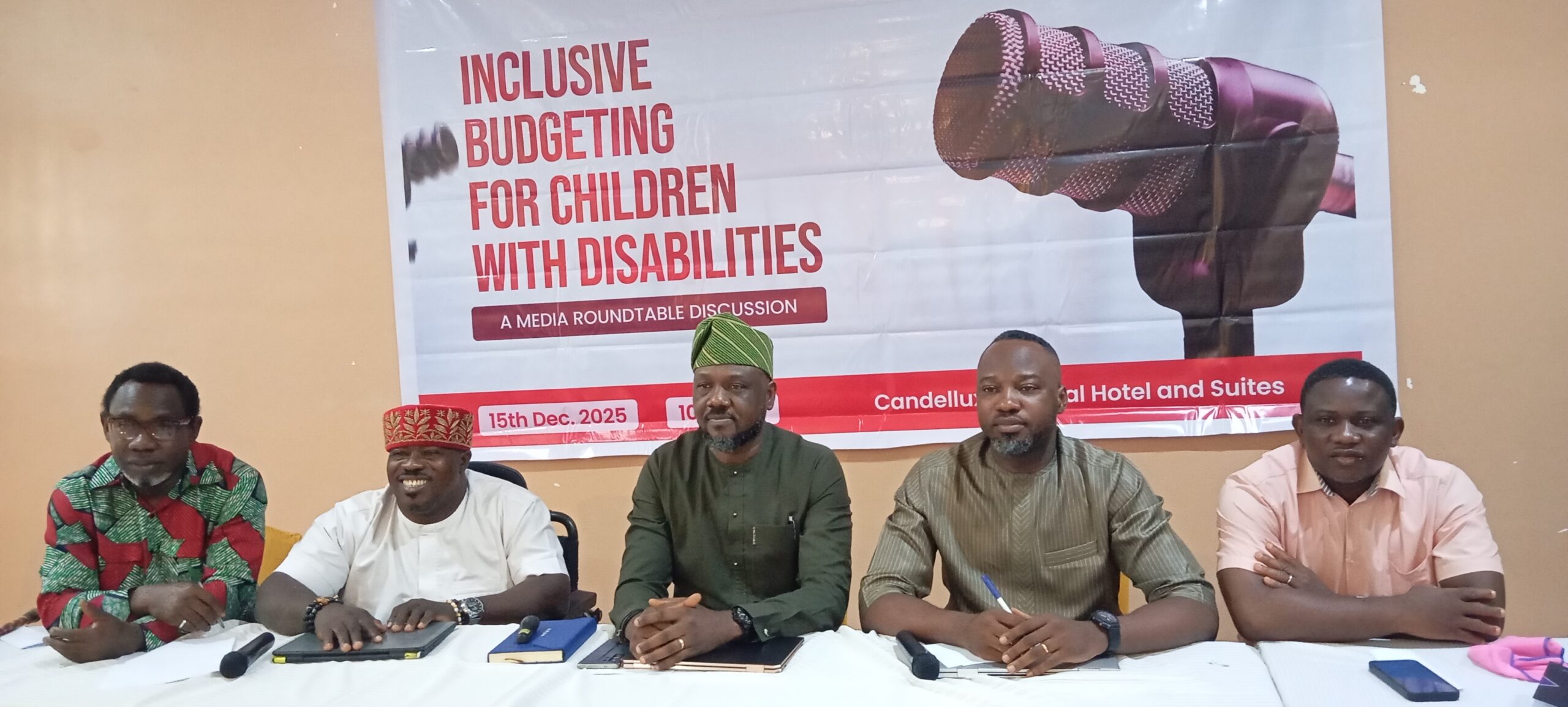
They made the call during a media roundtable on inclusive budgeting for children with disabilities organised by The Qualitative Magazine (TQM) with support from The Leprosy Mission Nigeria (TLMN) in Abuja on Monday in Abuja.
They noted significant gaps in Nigeria’s budget allocation, particularly in the education, health, women’s affairs, and humanitarian sectors, leaving children with disabilities behind.
The TLMN’s National Director, Dr. Sunday Udo, in his presentation said that despite general references to disability and social welfare, clear budget lines for children with disabilities are largely missing.
He said that children with disabilities face higher barriers to schooling, delayed access to healthcare, greater protection risks, and lifelong poverty.
“If children with disabilities are not clearly budgeted for, they are effectively excluded – no matter how good our policies sound,” Udo said.
The TLMN’s boss said that in the education sector, the Universal Basic Education Commission (UBEC) two per cent special needs fund is the only consistent national financing mechanism for disability education, with an average annual allocation of N10-N12 billion, representing less than 0.3 per cent of total education spending.
According to him, the health sector’s Basic Healthcare Provision Fund has a vulnerable group window, but disability is not explicitly recognised, and no child disability fund exists.
He said, The Ministry of Women’s Affairs, responsible for child welfare and protection, receives less than 1.0 per cent of the total federal budget, resulting in structural underfunding and limited impact. There is no specific fund for children with disabilities and no early intervention financing.”
Udo also said that the Ministry of Humanitarian Affairs has a social investment programme exceeding N500 billion, but disability is lumped under general vulnerable groups, with no tracking of children with disabilities as beneficiaries.
Earlier, in his opening remarks, Executive Director of TQM, Comrade Chris Agbo, noted the crucial role of the media in promoting inclusive budgeting for children with disabilities.
According to him, accurate and ethical reporting can ensure that budgeting processes reflect the realities and needs of this marginalised group.
“Today’s roundtable is not just another media meeting; it is a call to conscience and a call to action. Across Nigeria, millions of children with disabilities remain invisible in public planning and budgeting. When budgets are silent, services fail. When services fail, rights are denied. And when rights are denied, the future of an entire generation is placed at risk.
“Through accurate, ethical, and inclusive reporting, the media can ensure that budgeting processes at national and sub-national levels reflect the realities, needs, and aspirations of children with disabilities,” he said.
Agbo said that inclusive budgeting is not charity but justice and an obligation, adding that TQM’s mission is to change narratives, challenge exclusion, and promote policies and practices that uphold the dignity and rights of persons with disabilities.
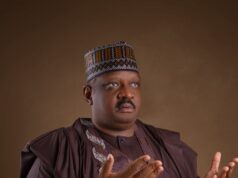
On his part, Executive Secretary of the National Commission for Persons with Disabilities (NCPWD), Hon. Ayuba Burki Gufwan, expressed concern over the grossly inadequate budget allocation for persons with disabilities.
He said that the commission is estimated to represent 35-38 million Nigerians with disabilities, many of whom are children.
Gufwan said that the NCPWD is advocating for a budget that is commensurate with the population and specific budget lines for children with disabilities and appealed to ministers, heads of agencies, and commissions to make their budgets more inclusive, emphasising that the drive in the disability community is to ensure that no one is left behind.
Also, Senior Special Assistant (SSA) to the President on Special Needs and Equal Opportunities, Mohammed Abba Isa, represented by Director of Media and Communications, Office of the SSA, Mr Lanre Oloyede, reaffirmed the government’s commitment to disability-inclusive budgeting, emphasising the need for adequate funding and effective implementation of policies benefiting children with disabilities.
Discover more from TheTimes Nigeria
Subscribe to get the latest posts sent to your email.