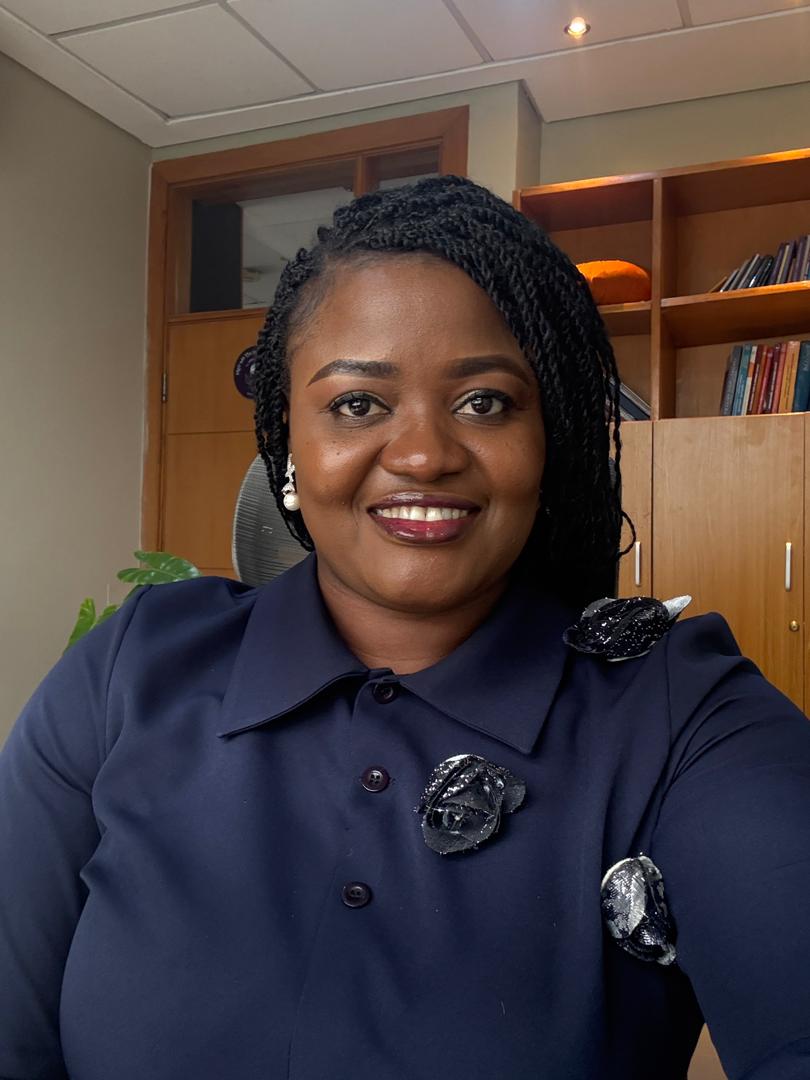
Stop Over introducing Yourself, by Ruth Oji
By Dr. Ruth Oji
You know that moment when someone asks what you do, and suddenly you’re reciting your entire professional biography like you’re accepting a lifetime achievement award? The credentials tumble out—your degrees, your certifications, your impressive job title, maybe even that award you won three years ago. By the time you finish, the other person’s eyes have glazed over, and you’ve somehow managed to make yourself sound both incredibly accomplished and utterly forgettable.
We’ve all been there. And we’ve all been on the receiving end of it, too—trapped in a conversation with someone who seems determined to read us their entire LinkedIn profile, bullet point by excruciating bullet point.
Here’s the uncomfortable truth: overintroducing yourself doesn’t make you sound more credible. It makes you sound insecure.
The Credential Dump
Last month, I watched someone named Rita introduce herself at a networking event. She took a deep breath and launched into what can only be described as a verbal resume: “Hi, I’m Rita. I’m a certified project management professional with a master’s degree in business administration from State University, where I graduated summa cum laude. I have fifteen years of experience in corporate project management, specializing in cross-functional team leadership and agile methodologies. I’m also a certified Scrum Master and I’ve led over fifty successful product launches across three different industries. I’m passionate about driving organizational change and fostering collaborative work environments that empower teams to exceed their goals.”
The person she was talking to—a potential client, as it turned out—nodded politely, said “That’s… impressive,” and excused himself to get another drink. He never came back.
Rita’s introduction wasn’t wrong, exactly. Everything she said was true. The problem was that she’d confused introducing herself with defending her right to exist in the room. She’d treated a simple social interaction like a job interview where she had to prove her worth before anyone would take her seriously.
But here’s what actually happens when you lead with your credentials: people stop listening. They don’t hear “accomplished professional.” They hear “insecure person who needs you to know how important they are.” The more you pile on, the more desperate it sounds.
The Paradox of Credibility
There’s a strange paradox at work here. The more secure you are in your expertise, the less you feel the need to announce it. Think about the most respected people in any field—the ones whose opinions actually carry weight. They rarely introduce themselves with a laundry list of accomplishments. They don’t need to.
When someone asks what you do, they’re not asking for your CV. They’re making conversation. They’re looking for a connection point, something interesting to talk about, a way to understand who you are as a person. They’re not conducting a background check.
Consider the difference between these two introductions:
“Hi, I’m James. I’m a board-certified cardiologist with over twenty years of experience in interventional cardiology. I completed my residency at Johns Hopkins and my fellowship at the Cleveland Clinic. I’ve published more than forty peer-reviewed articles and I’m currently the director of the cardiac catheterization lab at Metropolitan Hospital.”
Versus:
“Hi, I’m James. I’m a cardiologist. I spend most of my day helping people with heart problems—a lot of stents, a lot of conversations about lifestyle changes that people don’t want to hear.”
The second version tells you what James actually does. It gives you something to respond to. It sounds like a human being talking, not a resume that’s achieved sentience. And paradoxically, it makes James sound more credible, not less. The casual confidence suggests someone who doesn’t need to prove anything.
The Bio That Ate Itself
This problem isn’t limited to in-person introductions. It’s metastasized into our written bios, our email signatures, our social media profiles. We’ve created these bloated monuments to our own accomplishments, and we drag them out at every opportunity.
I recently received a pitch email from someone named Samuel. Before he got to his actual message—which was buried in the third paragraph—he included a bio that read like this:
“Samuel Chen is an award-winning digital marketing strategist, certified Google Analytics professional, and HubSpot-certified inbound marketing specialist with over a decade of experience driving ROI for Fortune 500 companies and innovative startups alike. As the founder and CEO of Chen Digital Solutions, Samuel has helped more than 200 clients achieve their marketing goals through data-driven strategies and cutting-edge digital solutions. He holds an MBA from the University of Michigan and a bachelor’s degree in marketing from Northwestern University. Samuel is a frequent speaker at industry conferences and has been featured in Marketing Today, Digital Trends, and The Business Insider. He is passionate about leveraging technology to create meaningful connections between brands and their audiences.”
By the time I finished reading this, I’d forgotten why Samuel was emailing me in the first place. I was exhausted. And I was skeptical. Because here’s the thing: if Samuel were really as successful as his bio claimed, he wouldn’t need to tell me all of this. His work would speak for itself.
The bio wasn’t building credibility. It was undermining it. Every additional credential felt like another brick in a wall Samuel was building between himself and the reader. “Look at all these reasons you should take me seriously,” the bio seemed to plead. “Please, please think I’m legitimate.”
Why We Do This
So why do we over introduce ourselves? Why do we feel compelled to recite our entire professional history when someone asks a simple question?
Usually, it comes from a good place. We want to be taken seriously. We’ve worked hard for our credentials, and we want people to know that we’re qualified, that we’re not imposters, that we deserve to be in the room. Especially if we’re in a field where we’ve had to fight for credibility—women in male-dominated industries, young professionals in senior roles, people from underrepresented backgrounds in spaces where they’re often questioned—the impulse to front-load our credentials makes sense.
But here’s the problem: it doesn’t work. It achieves the opposite of what we want. Instead of establishing credibility, it signals insecurity. Instead of commanding respect, it asks for permission. Instead of starting a conversation, it shuts one down.
The people who question your credibility aren’t going to be convinced by a longer list of credentials. They’ve already decided not to take you seriously, and no amount of degrees or certifications will change their minds. Meanwhile, the people who would have respected you anyway—the people worth talking to—are now wondering why you felt the need to prove yourself so aggressively.
Breaking the Pattern
So where does this leave us? If over introducing ourselves undermines our credibility rather than establishing it, and if the impulse comes from legitimate concerns about being taken seriously, what’s the alternative?
The answer isn’t to swing to the opposite extreme—to become vague or evasive, to downplay your expertise, or to pretend your accomplishments don’t exist. The answer is to learn a different way of presenting yourself, one that demonstrates confidence without demanding validation.
This week, pay attention to how you introduce yourself. Notice when you feel the urge to add “just one more thing” to establish your legitimacy. Notice when you’re reciting credentials instead of having a conversation. Notice when you’re trying to prove yourself rather than simply being yourself.
Because once you see the pattern, you can start to change it. And once you change it, you’ll discover something remarkable: the less you try to prove your credibility, the more credible you become.
Next week: How to introduce yourself with confidence and clarity—practical strategies for making strong first impressions without over explaining.
•Ruth Karachi Benson Oji is an Associate Professor of Pragmatics and (Digital Media) Discourse Analysis at Pan-Atlantic University and Lead Consultant at Karuch Consulting Limited.
Discover more from TheTimes Nigeria
Subscribe to get the latest posts sent to your email.