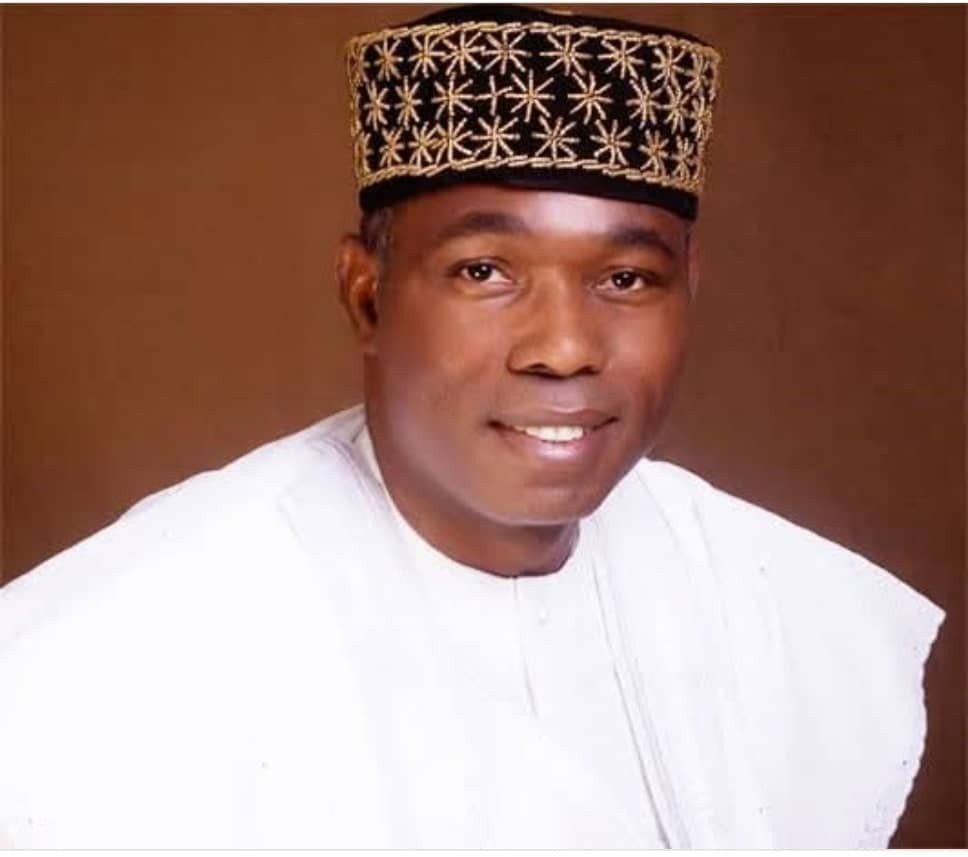
A former 2023 presidential candidate of the Social Democratic Party (SDP), Prince Adewole Adebayo, has criticised the recent amendments to Nigeria’s Electoral Act signed into law by President Bola Tinubu, describing the move as a setback for transparency and democratic integrity.
In a statement posted on his official X (formerly Twitter) account, @Pres_Adebayo, Adebayo accused the Federal Government of prioritising “loopholes over transparency” by weakening provisions for the electronic transmission of election results.
According to him, while electronic transmission has not been completely abolished, the new revisions to the 2022 Electoral Act makes it discretionary rather than mandatory —a shift he believes could undermine the credibility of future elections.
“I was in Abuja and saw the anger of the Nigerian people after the government approved revisions to the 2022 Electoral Act,” Adebayo wrote.
He added, “What should have been mandatory, real-time transmission has been left open to discretion. That loophole matters.”
He argued that making electronic transmission optional effectively returns the system to manual collation as the default practise, increasing the risk of manipulation and eroding public trust.
“When electronic transmission is optional, manual collation of results becomes the practical default. And when results move through opaque channels, trust in the process is damaged,” Adebayo said.
The SDP chieftain described the signing of the amended law as “a blow against the very essence of Nigerian democracy,” alleging that the administration is deliberately shielding itself from transparency.
He said, “Removing the mandatory electronic transmission makes it easier to manipulate the results — and that is unacceptable.
“This administration is attacking the very democracy that generations of Nigerians fought so hard to secure.”
The SDP chieftain further accused President Tinubu of dishonouring the legacy of democratic struggle in Nigeria, claiming the changes represent “a shameless attempt to remain in power.”
He said that Nigeria should be advancing toward full electronic voting rather than weakening technological safeguards in the electoral process.
He also said that Nigerians already rely on electronic systems for banking, business, and communication, questioning why similar trust should not apply to the protection of votes.
“When votes are transmitted transparently and in real time, there is a record. There is verification. There is accountability,” he added.
Despite the new law, Adebayo called on citizens and communities across the country to continue demanding transparency and fairness in the electoral system.
“The law may have changed, but the demand for transparency has not,” he said, pledging to stand with Nigerians who believe the country “deserves better.”
Discover more from TheTimes Nigeria
Subscribe to get the latest posts sent to your email.