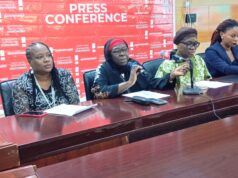
The Board of Directors of ActionAid Nigeria (AAN), at its 58th meeting, warned that Nigeria is sliding into a deepening crisis of poverty, insecurity, and fiscal mismanagement, as economic gains fail to translate into improved living conditions for citizens.
This concern is reinforced by recent World Bank findings indicating that over N34 trillion, about 41% of Nigeria’s total earnings, has been deducted through pre-allocation mechanisms in recent years, and this has significantly constrained resources for national development.
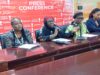
The Chair, Board of Directors, AAN, Rabi Isma, on Monday said that the Board noted that while economic growth is projected at 4.4% in 2026 (up from 4.2% in 2025), which remains below the African average, leaving Nigeria vulnerable to oil price volatility and global shocks.
IMF projections that Nigeria’s debt-to-GDP ratio will reach 33.1% by 2027 also highlight growing fiscal risks and the need for stronger revenue management.
“The Board highlighted ongoing governance challenges, including underfunding of key sectors such as education, health, and agriculture, which are all currently below global benchmarks, despite the size of the national budget.
“Concerns were also raised about aspects of the Electoral Act 2026 that may weaken transparency in the lead-up to the 2027 elections,” Isma said.
The Board further expressed concern over continued insecurity and humanitarian pressures, which are disrupting livelihoods, displacing millions, and worsening food insecurity. With UNOCHA noting that nearly 35 million Nigerians are projected to face acute food insecurity during the 2026 lean season, the situation remains critical, particularly in the Northeast.
Based on its review of the State of the Nation Report, the ActionAid Nigeria Board of Directors recommends that the Federal Government must implement inclusive economic policies that translate growth into higher purchasing power and improved livelihoods for ordinary Nigerians, particularly in rural communities, for women, and for young people.
According to her, this should be complemented by targeted measures to cushion the impact of rising fuel prices and inflation, including expanded social protection, cash transfers, and interventions to stabilise food and transport costs.
She said, “The Federal Government must ensure full disclosure of all revenues collected and deductions made before FAAC distribution, supported by publicly released audits from the Office of the Auditor-General for the Federation.
“Anti-corruption agencies must investigate any irregularities and enforce accountability, including the recovery of mismanaged funds. The Federal Government must also curb the rising debt burden by reducing reliance on borrowing, eliminating leakages, and strengthening transparency and accountability in public finance management.
“Any borrowing must be strictly tied to productive investments and must not displace critical spending on social sectors,” Isma said.
The AAN Board also urged the Federal Government and National Assembly to ensure transparent and efficient implementation of the 2026 budget through clear reprioritisation towards education, health, and agriculture. Oversight must be strengthened to eliminate waste, leakages, and abandoned projects, and to ensure measurable outcomes for citizens.
It urged the Independent National Electoral Commission to ensure that the implementation of the Electoral Act 2026 is guided by clear operational safeguards that limit discretionary abuse, enhance transparency, and protect the integrity of the electoral process.
It said, “In light of public concerns about perceived bias stemming from the INEC Chairman’s pre-appointment statements, the Commission must proactively demonstrate and assure Nigerians of its neutrality, professionalism, and independence in its conduct and communication ahead of the 2027 elections.
“Federal and state governments must urgently overhaul Nigeria’s security response through a coordinated, intelligence-led, and community-centred approach to address all security issues.
“This should include strengthened early warning systems, improved inter-agency coordination, protection of vulnerable communities, and accountability for security failures, alongside greater investment in preventive measures.
“The National Assembly must also expedite the review and passage of the state policing framework and must ensure it is transparent, accountable, safeguards human rights, and prevents abuse.
Federal and State Governments must urgently scale up coordinated humanitarian responses to rising food insecurity, malnutrition, and displacement, while preparing for flood risks across multiple states.
“This includes activating emergency systems, prepositioning relief materials, protecting at-risk communities, expanding social protection, and strengthening climate resilience and disaster preparedness to reduce recurring crises and long-term impacts on vulnerable populations.”
The Board enjoins civil society organisations, the media, and citizens to intensify demands for accountability across all arms of government. Nigeria is currently facing multi-dimensional challenges that are deepening corruption and poverty, and only sustained collective action can reverse this trend.
Discover more from TheTimes Nigeria
Subscribe to get the latest posts sent to your email.