Across Africa, thousands of young people now earn income by filming short videos in bedrooms, university dormitories and city streets, feeding an expanding global appetite for digital entertainment. The boom has created new opportunities — and new vulnerabilities — as creators navigate platform algorithms, advertising volatility and growing competition from professionalised online studios.
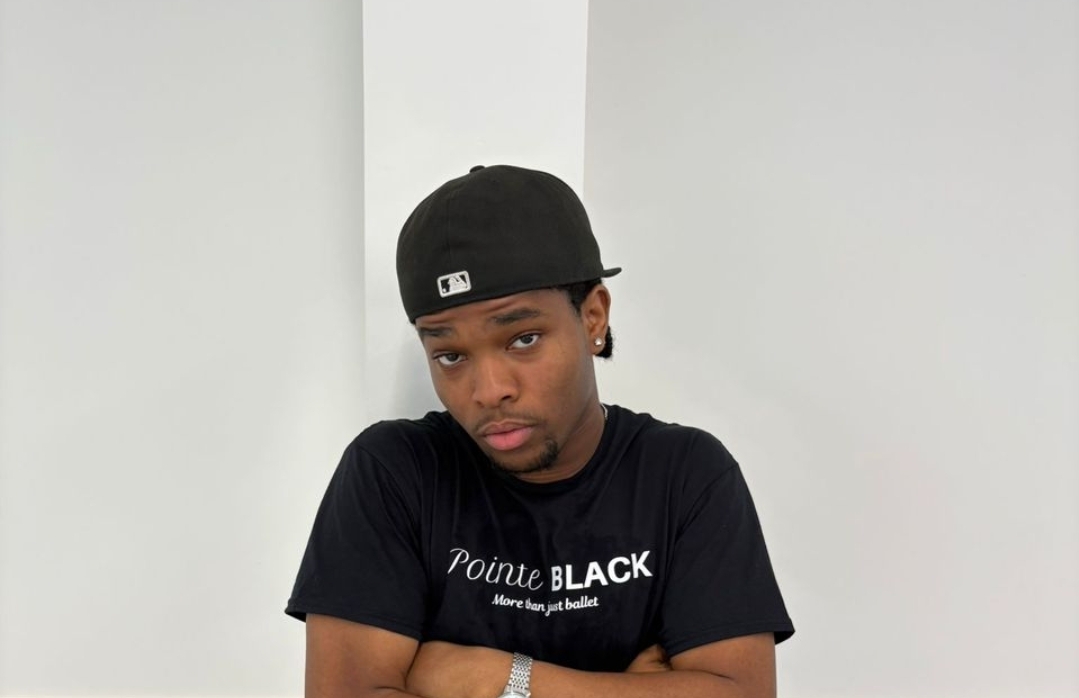
One figure operating within this fast-evolving space is Oghenekeno Ashley Ejeneha, known online as AshleyKeno17. The Dublin-born Nigerian began publishing content in December 2019 and has since built a portfolio that includes dance routines, comedy sketches and sports-themed performances distributed mainly through TikTok and Instagram.
Ashley’s educational path reflects the increasingly transnational nature of Africa’s digital workforce. Schooled in Nigeria before enrolling at Aston University in the United Kingdom, he belongs to a cohort of young Africans whose creative output is produced abroad while remaining culturally rooted at home.
But the industry in which he operates has drawn criticism from labour advocates and cultural commentators who argue that social media platforms place disproportionate power in the hands of algorithms while offering limited transparency around earnings and visibility.
“Most creators are effectively dependent on systems they cannot audit,” says Johannesburg-based media analyst Sipho Nkosi. “A single change in recommendation formulas can reduce income overnight.”
Ashley’s collaborations with other online personalities — including Zoe Spencer, Peller, Jersey Joe, Jacob FJ, Timi, Cyclegroover and Max Evasion — reflect a common growth strategy, though some critics question whether constant cross-promotion risks saturating audiences and prioritising short-term engagement over originality.
There are also concerns about the long-term viability of creator careers. Nigerian digital-rights groups have pointed to inconsistent monetisation policies across regions, while university researchers warn that the intense pressure to post daily content can contribute to burnout and mental-health strain among young influencers.
Nigeria remains one of the continent’s most active centres for online entertainment, driven by smartphone adoption and a youthful population. Yet analysts caution that rapid expansion has outpaced regulation, leaving many creators without clear labour protections or dispute-resolution mechanisms when brand deals collapse or accounts are suspended.
Ashley has indicated an interest in pursuing acting beyond social media — a transition that some online figures have attempted with mixed results. Industry executives note that mainstream casting decisions still rely heavily on auditions and training, not just follower metrics.
As governments debate how to classify digital labour and whether new tax frameworks or protections are needed, the creator economy continues to evolve under growing scrutiny.
Ashley’s trajectory, observers say, illustrates both the possibilities and the precarity facing Africa’s new digital workforce — a sector offering unprecedented visibility while raising questions about stability, fairness and what sustainable success really looks like in the platform age.