By News Agencies
Bulgaria’s government has resigned following weeks of street protests against its economic policies and its perceived failure to tackle corruption.
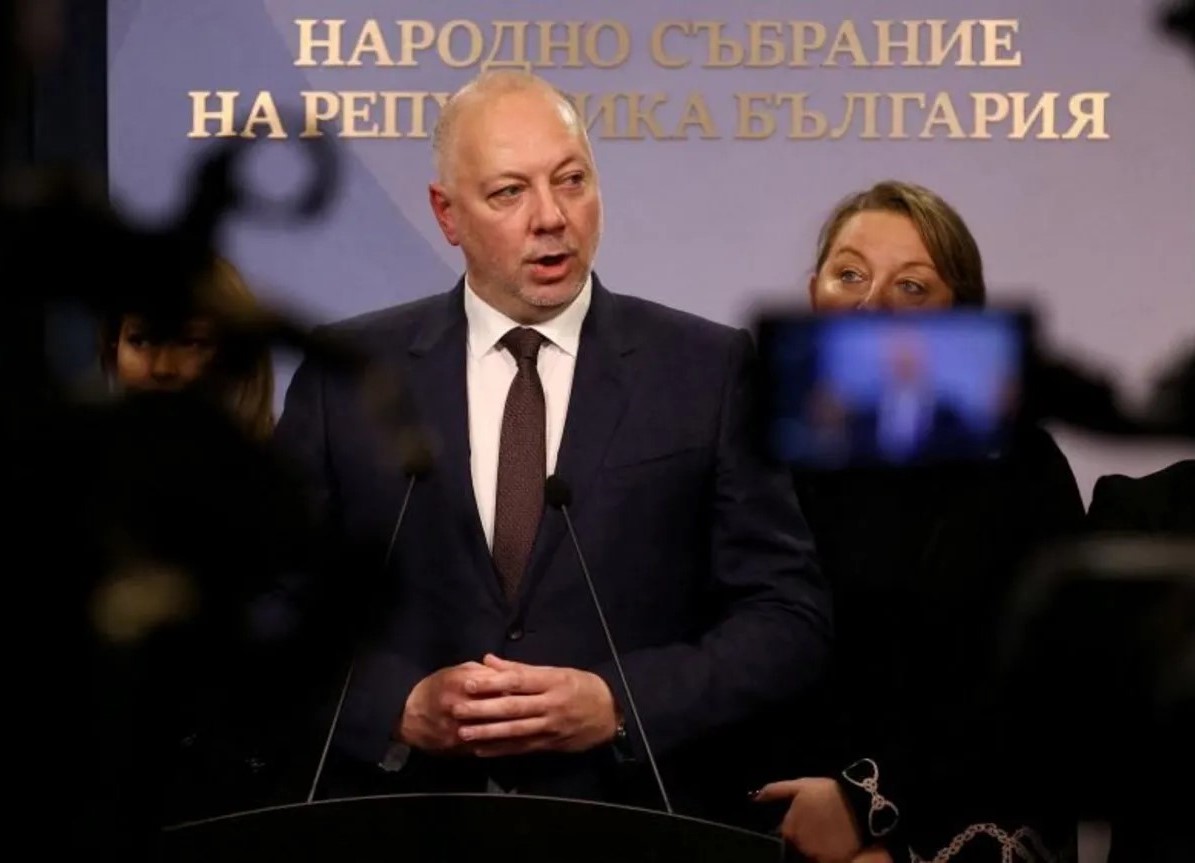
Prime Minister Rosen Zhelyazkov announced the resignation of his cabinet in a televised statement on Thursday, minutes before parliament had been due to vote on a no-confidence motion.
The resignation comes weeks before Bulgaria is due to join the eurozone on January 1.
“Our coalition met, we discussed the current situation, the challenges we face and the decisions we must responsibly make,” Zhelyazkov said, announcing the government’s decision to step down.
“Our desire is to be at the level that society expects,” he said. “Power stems from the voice of the people.”
Mass protests
Thousands of Bulgarians rallied on Wednesday evening in Sofia and dozens of other towns and cities across the Black Sea nation, the latest in a series of rolling demonstrations that have underlined public frustration with corruption and the failure of successive governments to root it out.
Last week, Zhelyazkov’s government withdrew its 2026 budget plan, the first drafted in euros, due to the protests.
Opposition parties and other organisations said they were protesting plans to hike social security contributions and taxes on dividends to finance higher state spending.
Despite the government’s retreat over the budget plan, the protests have continued unabated in a country that has held seven national elections in the past four years – most recently in October 2024 – amid deep political and social divisions.
President backs protesters
The country’s Moscow-friendly president, Rumen Radev, also called on the government to resign, saying on his Facebook page: “Between the voice of the people and the fear of the mafia. Listen to the public squares!”
Radev, who has limited powers under the Bulgarian constitution, will now ask the parties in parliament to try to form a new government. If they are unable to do so, as seems likely, he will put together an interim administration to run the country until new elections – the eighth in four years – can be held.
The EU’s poorest country has been racked by political instability and uncertainty, with analysts saying that low trust in its national institutions and leaders had been exacerbated by fears of higher prices as Bulgaria prepares to adopt the euro.
The European Commission has repeatedly warned against failings in the rule of law in Bulgaria, saying in a July report that the level of perceived judicial independence there was “very low” and the country’s anti-corruption strategy “limited”.
Dobromir Zhivkov, the director of the Market Links sociological agency, said Bulgarian society was “in broad unity against the model of governance”, adding that plummeting trust in ministers and MPs was “another indicator of severe political and institutional crisis”.
Bulgaria is near the bottom of the European Corruption Perception Index maintained by Transparency International. It has gone to the polls seven times since huge anti-graft protests in 2020 against Boyko Borissov, a three-time former prime minister.
Borissov’s conservative GERB party finished as the largest in the most recent election last year and formed the current coalition government in January, with Zhelyazkov, a former transport minister and senior GERB member, as premier.
Protesters are particularly angered by Delyan Peevski, a former media mogul whose DPS – New Beginning party is one of an array of several factions from across the political spectrum that backs Zhelyazkov’s minority government.
Peevski, who has been hit with sanctions by the US and the UK for alleged corruption, bribery and embezzlement, is accused of influencing government policy to favour oligarchs. He has denied all allegations of wrongdoing.
Discover more from TheTimes Nigeria
Subscribe to get the latest posts sent to your email.