An FCT High Court has cleared the way for the implementation of Nigeria’s new tax regime scheduled to commence on Thursday January 1, 2026, dismissing a suit seeking to halt the exercise.
The ruling gives the Federal Government, the Federal Inland Revenue Service (FIRS) and the National Assembly full legal backing to proceed with the take-off of the new tax laws, recently endorsed by President Bola Tinubu.
The suit was filed by the Incorporated Trustees of African Initiative for Abuse of Public Trustees, which dragged the Federal Republic of Nigeria, the President, the Attorney-General of the Federation, the President of the Senate, the Speaker of the House of Representatives and the National Assembly before the court over alleged discrepancies in the recently enacted tax laws.
In an ex parte motion, the plaintiff sought an interim injunction restraining the Federal Government, FIRS, the National Assembly and related agencies from implementing or enforcing the provisions of the Nigeria Tax Act, 2025; Nigeria Tax Administration Act, 2025; Nigeria Revenue Service (Establishment) Act, 2025; and the Joint Revenue Board of Nigeria (Establishment) Act, 2025, pending the determination of the substantive suit.
The group also asked the court to restrain the President from implementing the laws in any part of the federation pending the hearing of its motion on notice.
However, in a ruling delivered on Tuesday, Justice Kawu struck out the application, holding that it lacked merit and failed to establish sufficient legal grounds to warrant the grant of the reliefs sought.
The court ruled that the plaintiffs did not demonstrate how the implementation of the new tax laws would occasion irreparable harm or violate any provision of the Constitution, stressing that matters of fiscal policy and economic reforms fall squarely within the powers of government.
Justice Kawu further held that once a law has been duly enacted and gazetted, any alleged errors or controversies can only be addressed through legislative amendment or a substantive court order, noting that disagreements over tax laws cannot stop the implementation of an existing law.
Consequently, the court affirmed that there was no legal impediment to the commencement of the new tax regime and directed that implementation should proceed as scheduled from January 1, 2026.
The new tax regime is anchored on four landmark tax reform bills signed into law in 2025 as part of the Federal Government’s broader fiscal and economic reform agenda aimed at boosting revenue, simplifying the tax system and reducing leakages.
The laws — the Nigeria Tax Act, 2025, Nigeria Tax Administration Act, 2025, Nigeria Revenue Service (Establishment) Act, 2025, and the Joint Revenue Board of Nigeria (Establishment) Act, 2025 — consolidate and replace several existing tax statutes, including laws governing companies income tax, personal income tax, value added tax, capital gains tax and stamp duties.
Key elements of the reforms include the harmonisation of multiple taxes into a more streamlined framework, expansion of the tax base, protection for low-income earners and small businesses, and the introduction of modern, technology-driven tax administration systems such as digital filing and electronic compliance monitoring.
The reforms also provide for the restructuring of federal tax administration, including the creation of the Nigeria Revenue Service, to strengthen efficiency, coordination and revenue collection across government levels.
While the Federal Government has described the reforms as critical to stabilising public finances and funding infrastructure and social services, the laws have generated intense public debate, with some civil society groups and political actors alleging discrepancies between the versions passed by the National Assembly and those later gazetted.
These concerns sparked calls for suspension, re-gazetting and legal action, culminating in the suit dismissed by the Abuja High Court.
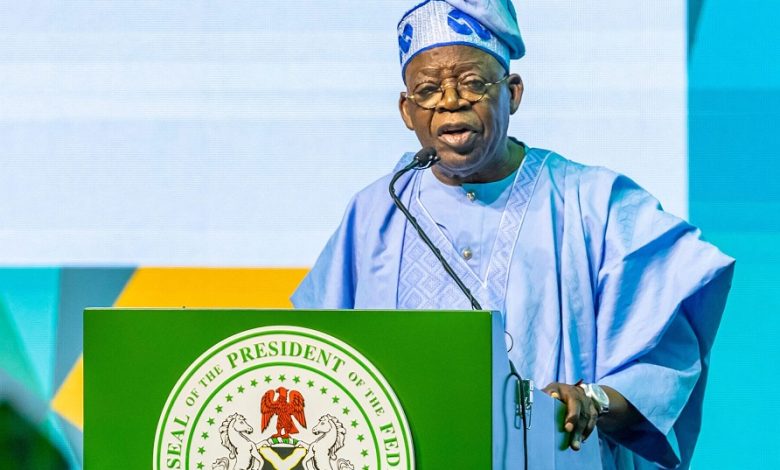
The Times reports that President Bola Ahmed Tinubu had reaffirmed that Nigeria’s new tax laws will commence on January 1, 2026, dismissing suspension rumours, amidst opposition from some political parties, individuals and groups.
In a statement he personally signed n Tuesday, President Tinubu said the tax reforms represent a once-in-a-generation opportunity to build a fairer, more competitive and resilient fiscal framework capable of supporting sustainable economic growth and strengthening the social contract between government and citizens.
He stressed that the new tax regime is not designed to impose higher taxes on Nigerians but to deliver a structural reset of the system through harmonisation, efficiency and equity, while protecting the dignity of citizens and businesses.
“These reforms are aimed at creating clarity, reducing multiplicity, and ensuring that the tax system works for both government and taxpayers,” the statement said, adding that the focus is on broadening compliance rather than increasing tax burdens.
The President urged all stakeholders, including the National Assembly, state governments, the private sector and civil society, to support the implementation phase of the reforms, noting that the process has now firmly entered the delivery stage.
Addressing public discourse around alleged alterations to some provisions of the recently enacted laws, Tinubu said no substantial issue had been established that would justify disrupting the reform timeline.
“Trust is built over time by making the right decisions, not through premature or reactive measures,” the statement noted, emphasising that stability and consistency are critical to the success of long-term fiscal reforms.
The President reaffirmed his commitment to due process and the sanctity of enacted laws, pledging continued collaboration with the National Assembly to resolve any concerns that may arise during implementation.
The President further assured Nigerians that the Federal Government would continue to act in the overriding public interest to deliver a modern tax system that promotes prosperity, shared responsibility and inclusive national development.
Discover more from TheTimes Nigeria
Subscribe to get the latest posts sent to your email.