The Chairman of the Independent National Electoral Commission (INEC), Prof. Joash Amupitan, SAN, has said that even the strongest electoral systems can be undermined by misinformation, misinterpretation, or deliberate distortion.
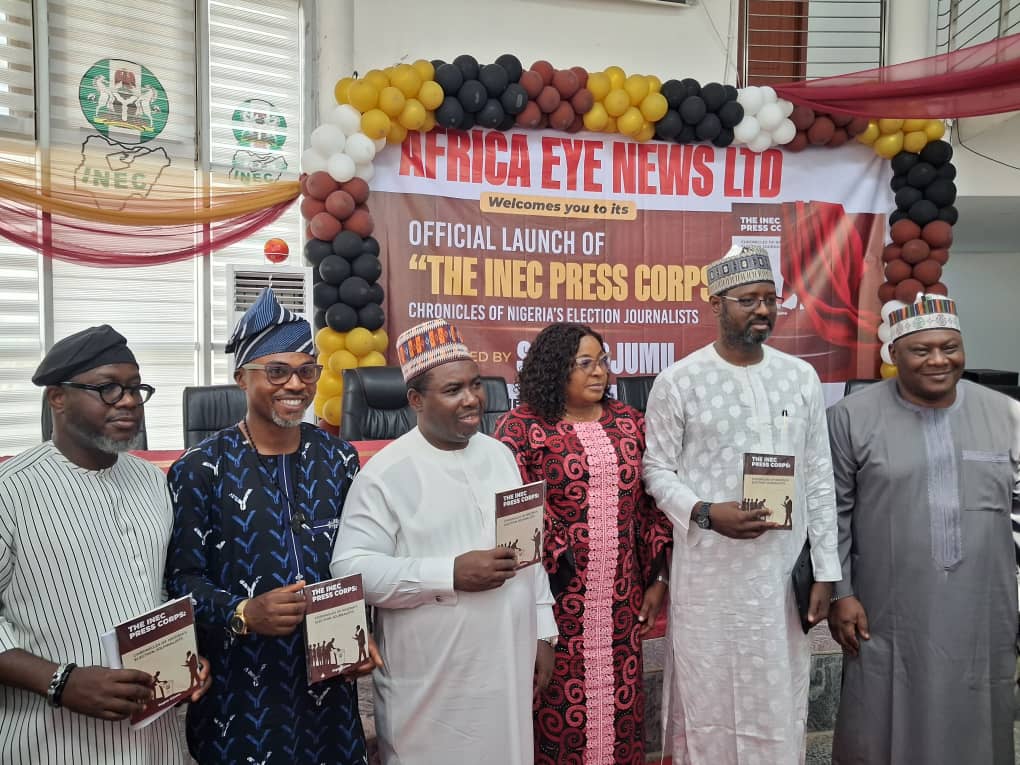
He said this in Abuja at the unveiling of a book, ‘The INEC Press Corps: Chronicles of Nigeria’s Election Journalists’, authored by INEC Press Corps chairman and TV journalist, Segun Odunlami Ojumu.
According to him, the book reminded everyone that democracy stands or falls on public trust and urged journalists to always provide the on-ground verification which sustains confidence in the ballot.
“The stories you tell, the accuracy you uphold, and the fairness you demonstrate play a critical role in ultimately legitimising election results. At a time when false narratives can spread faster than the truth, your meticulous and professional documentation is needed more than ever before.
“As we navigate this period of intense electoral activity (from the FCT Area Council polls in February 2026 to the upcoming governorship contests in Ekiti and Osun), INEC remains committed to openness and accountability. We have intensified our engagement with stakeholders, strengthened our use of technology like BVAS and IReV, and deepened our collaboration with security agencies, civil society, and the media.
“Elections do not succeed on technology alone; they succeed when the public believes in the information they receive. The work documented in this book celebrates your decisive role in helping to shape the national understanding of the electoral process.
“To facilitate swift and accurate reporting, let me be clear: our official website and all digital channels are veritable and authoritative points of contact for the media. This is in conjunction with the support you receive from designated officials authorised to interface with you. The era of relying on rumour and unverified sources must end. If in doubt about any figure, process, or policy, we urge you to verify from us directly.
“This book stands as a testament to your crucial service to the Federal Republic of Nigeria. It is, in essence, a roadmap for building a more accountable electoral future for Nigeria. We seek your sustained, collaborative partnership to help the Commission deliver verified, accurate information to the Nigerian people, and to firmly combat the menace of vote-buying and all forms of election rigging.
“The media must play its role against deliberate falsehoods that suppress voter turnout, incite violence, or undermine the integrity of our results. Together, we can ensure that our elections are remembered not for discord, but for their spirit of unity, transparency, and the pursuit of common goals. Election remains the lifeblood of our democracy,” Amupitan said.
Speaking earlier, the authour Ojumu said the book was a personal journey inspired by 11 years of reporting on the electoral commission and a decade of covering election cycles.
Citing the documented ordeal of a colleague, Mr Chux Ukwuatu, as one example of the high personal risks journalists face while defending the public’s right to accurate information, Ojumu said, “When you flip these pages, you are reading a history of courage.”
He noted the need for journalists to adapt to technological changes and analyse real-time data, while also calling for continuous training and resilience, highlighting that democracy thrives when media workers are protected.
Also speaking, the FCT Resident Electoral Commissioner (REC), Mallam Aminu Idris, said the synergy between the media and the INEC speaks directly to the heart of credible elections.
He said that for them at the INEC, especially in the Federal Capital Territory, this synergy is not optional, as it is essential.
He noted that through accurate reporting, fact-checking, civic education, and constructive engagement, the media helps citizens interpret the work of the Commission and participate meaningfully in elections.
He said, “In turn, the Commission relies on the media to amplify its messages, counter misinformation, and promote transparency in all stages of the electoral cycle.”
Idris described the book presentation as a milestone and that it is more than a compilation of articles or a memoir of coverage; it is an archive of our nation’s democratic evolution which stands as a testament to the critical synergy that exists between the Election Management Body and the Fourth Estate.
“This transition and reforms introduced by INEC was not achieved by INEC alone; it was driven by a media that demanded accountability and, crucially, educated the public on why these reforms were necessary.
“When we introduced technology, it was the members of this Press Corps who broke down the technical jargon for the market woman in Gwagwalada and the civil servant in the Central Business District.
“You did not just report the reforms; you validated them in the eyes of the public.
As we celebrate this book, we must also acknowledge the burden that comes with it. In an age of digital misinformation, where ‘fake news’ travels faster than official statements, the role of the traditional, accredited journalist has never been more vital.”
He stated that the FCT Area Council Elections, scheduled for February 21, 2026, are upon both the INEC and the media, noting, “The importance of this partnership becomes even more pronounced. These elections are closest to the grassroots, and the quality of information available to voters can significantly influence participation, peaceful conduct, and confidence in the outcome.”
Discover more from TheTimes Nigeria
Subscribe to get the latest posts sent to your email.