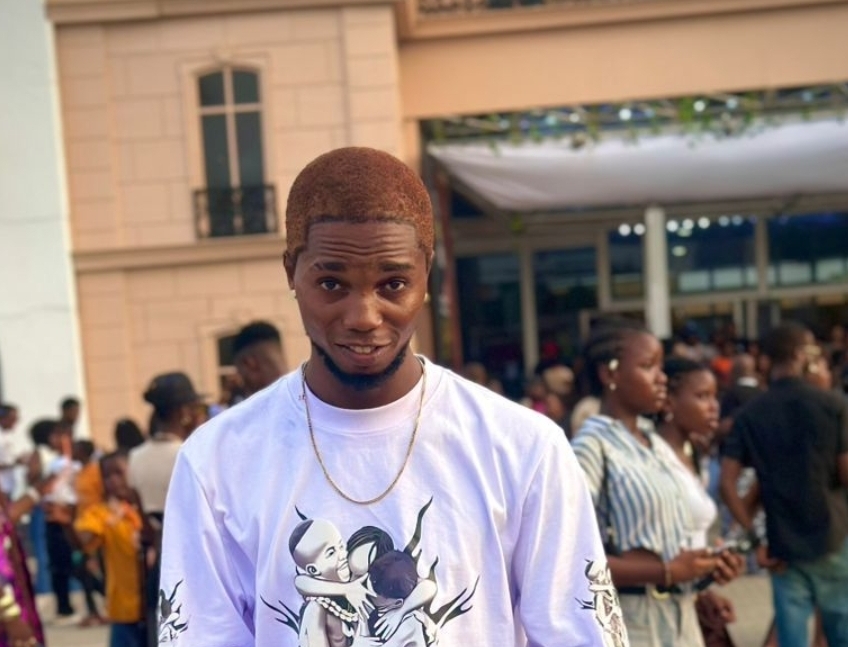
Prank comedy has emerged as one of the most consumed forms of digital entertainment across West Africa. In Nigeria, creators such as Nwagu Saviour Chigozirim have built followings through short, spontaneous skits designed for social media distribution.
Chigozirim, born in 1998 in Ohaji-Egbema, began producing comedy content while pursuing tertiary education at the Federal University of Technology, Owerri. Like many independent creators, he encountered early financial hurdles, including limited access to professional recording equipment and advertising sponsorships.
A widely circulated TikTok video attributed to him reportedly surpassed 15.9 million views. Media scholars interpret such figures as evidence of shifting audience preferences toward brief, mobile-optimized content.
Yet prank content has sparked ethical concerns. Legal analysts note that filming unsuspecting individuals raises questions about consent and privacy. While Nigerian law does not yet comprehensively regulate online prank production, debates are intensifying as viewership grows.
Comparisons are often drawn with mainstream Nigerian online comedians such as Mark Angel, though industry observers emphasise that prank-based formats operate under distinct reputational and legal risks.
As digital economies expand across Africa, the prank genre may test emerging boundaries between creative freedom, commercial ambition, and personal rights.
Discover more from TheTimes Nigeria
Subscribe to get the latest posts sent to your email.