Experts and other stakeholders in the health sector have called for re-strategising and renewed commitment to combating the rising scourge of malaria in the country.
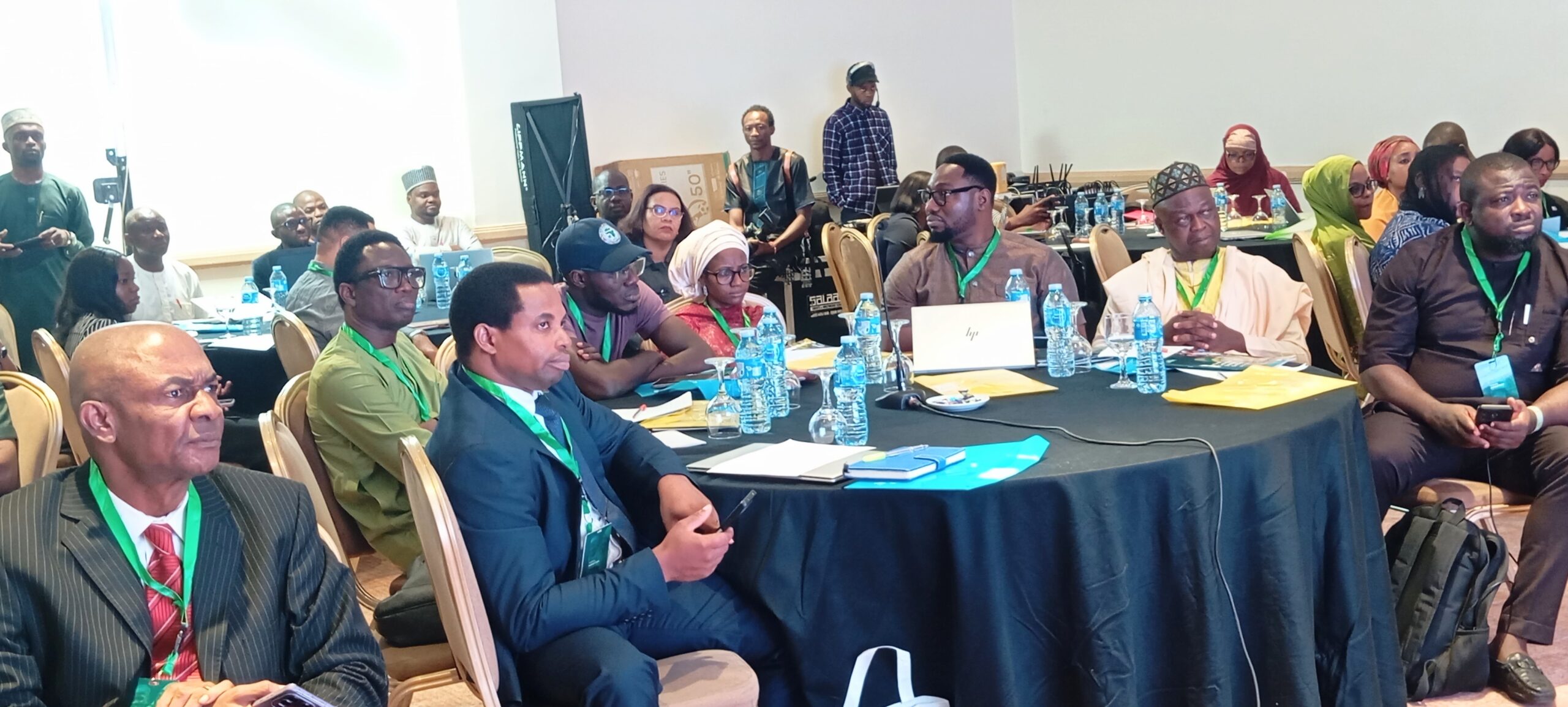
They made the call Wednesday in Abuja at the ‘Research and Impact Investment Summit on Malaria Resourcing’ organised by the Malaria Consortium.
The event also witnessed the ‘training of senior government officials on driving systemic change against malaria through insight’.
They emphasized the need for data-driven interventions, research, and environmental control as critical tools in the fight against the dreaded disease.
Speaking at the event, a medical doctor and head of the Monitoring and Evaluation Branch of Nigeria’s National Malaria Elimination and NTD Programme under the Federal Ministry of Health’s Department of Public Health, Dr. Nelson Eze, noted the importance of tailoring malaria interventions to specific state needs.
According to him, past malaria interventions often followed a ‘one-size-fits-all’ model across states, which through insights have shown to fall to lapses.
Eze said that emerging evidence shows that malaria transmission patterns differ widely across Nigeria, making uniform strategies less effective and cumbersome.
“The National Malaria Programme is now implementing a subnational tailoring approach. This strategy uses locally generated data to determine which combination of interventions will work best in each state,” Eze said.
He also said that evidence-based policymaking is central to malaria elimination efforts in Nigeria, thus the need to imbibe and entrench it as a policy to accelerate the positive impacts of malaria elimination efforts.
On her part, the Senior Coordinator of EHA Impact Venture, Hajiya Ramata Abdul noted the importance of cross-sector collaboration in improving tackling malaria outcomes in Nigeria and across Africa.
She noted that while preventive drugs, mosquito nets, and insecticides are essential tools, more attention must be paid to environmental factors that contribute to malaria transmission for remedial actions.
She said that stagnant water, poor drainage systems, and unmanaged waste create breeding grounds for mosquitoes that transmit malaria parasites.
She added that tackling those essential factors would go a long way to tackling malaria scourge in Nigeria and Africa.
On his part, Joshua Aransiola, said that previous and present efforts to tackling malaria in the country need to be strategically assessed for the dynamism of the killer disease to be equally addressed.
He also called for systemic mapping of operational interventions, saying the need in one states often time differs from others, despite having some common areas, thus the need to also strengthen local needs in tackling the disease.
The summit came a day after the Coordinating Minister of Health and Social Welfare in Nigeria, Prof. Muhammad Ali Pate, and the Minister of State for Health and Social Welfare, Dr Iziaq Adekunle Salako, launched the Malaria Consortium’s new strategy, with the aim of eliminating malaria and driving systemic change against Malaria through insights in Nigeria.
The minister represented by the Director, Public Health, Ministry of Health and Social Welfare, Dr Charles Nzelu, during the New Strategy Launch by Malaria Consortium in Abuja said they will continue to push the prevalence of malaria in Nigeria.
According to him, in the last five decades, they have delivered 390 million treatments of essence, and by focusing on their core competences and working collaboratively with others, they will maximise value for governments and communities.
“So, I am really happy that Malaria Consortium Team is looking out of the box by keeping with what we are saying under the SWAP initiative, the Sector-Wide Initiative, being led by our coordinating minister.
“It is our collective hope that as the Malaria Control Team continues to operate in this space, in agreement with the Sector-Wide Approach of Government, that by the time we reconvene here again, or in another one or two years, we will be able to continue to push the prevalence of Malaria,” he said.
Also, Senior Technical Advisor, Malaria Consortium, Dr Olusola Oresanya, said millions of children have been protected through seasonal Malaria prevention, countless lives saved through improved access to treatment, and health systems strengthened to respond more effectively to this enduring challenge yet, they know that the journey is far from over.
She said malaria continues to threaten lives of our most vulnerable, especially children under the age of Five.
“That is why today’s event is not just a launch; it is a renewed commitment. The unveiling of our 2025-2028 strategy marks a bold step forward that is rooted in innovation, driven by data, and sustained by local leadership and partnerships.
“This strategy is about more than programs; it is about systemic change. It is about ensuring that Nigeria’s fight against Malaria is resilient, self-sustaining, and future-focused as well.
“Together, through collaboration, insight, and determination, we can accelerate progress towards elimination and create a healthier, more prosperous future,” she said.
Discover more from TheTimes Nigeria
Subscribe to get the latest posts sent to your email.