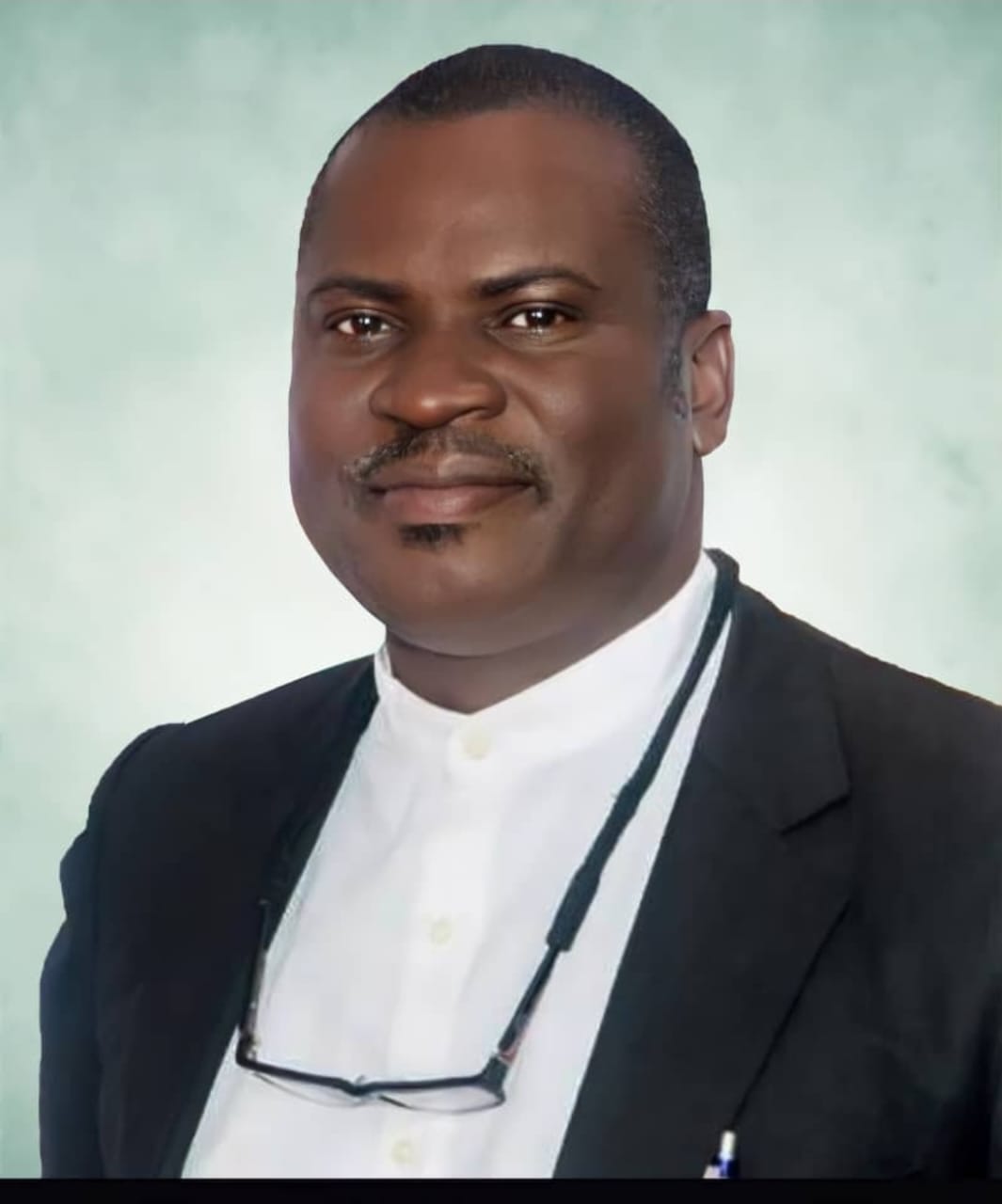
By Michael Nsikak Umoh
The video is a visceral, agonising reminder of a wound that has never truly healed. Watching twenty-eight-year-old Mene Ogidi in Effurun, Delta State, restrained and begging for his life before being executed at point-blank range on April 26, 2026, feels like a horrific distortion of time.
It has been years since the youth of this nation rose in a singular, defiant voice during the EndSARS protests, demanding an end to the very brutality we witnessed again last week.
The tragedy in Delta proves that while names of units may change, the underlying culture of state-sponsored violence remains stubbornly entrenched.
We were told that the lessons of 2020 were learned. We were promised a new era of policing; one rooted in sanctity for life and respect for the citizen.
Yet, the cold-blooded murder of Mene Ogidi by Assistant Superintendent of Police (ASP) Nuhu Usman suggests that the “reform” we were promised was largely cosmetic.
When an officer feels emboldened enough to execute a restrained man in broad daylight, it is a sign that the ghost of impunity still walks the halls of our police stations.
This is not “unprofessional conduct”; it is a betrayal of the blood shed at the Ozumba Lekki Toll Gate and across the country by a generation that simply asked to live.
While the suspect’s transfer to Abuja is a necessary administrative step, it is a far cry from the justice the Ogidi family deserves. We have seen “transfers” lead to silence before.
To prevent this, we must demand a transparent prosecution that is visible to the public. We need to see that the law applies to the man in the uniform as strictly as it does to the man in the street.
The trust between the Nigerian people and the Force is currently a threadbare remnant; only a definitive, public reckoning can begin to stitch it back together.
It is particularly painful to acknowledge that this systemic rot overshadows the genuine sacrifices made by some honourable officers who serve with integrity.
These men and women, who face incredible risks to keep us safe, are the primary victims of their colleagues’ brutality, as they must inherit the public’s justified dread and animosity.
We owe it to these good officers to purge the Force of those with violent and irresponsible temperaments.
The Nigeria Police requires an immediate overhaul of recruitment process, moving beyond physical drills to include deep-seated psychological evaluations and mandatory training in the theological and legal foundations of human rights.
If we have learned anything from the digital activism of the past decade, it is that transparency is our greatest weapon.
It was a citizen’s camera that exposed the horror in Effurun, like many other crimes recently committed by some police officers like the Igando and Abule Ado cases of Lagos.
The leadership must now mandate body cameras and protect the rights of Nigerians to document their encounters with police officers.
We cannot afford to wait for the next viral tragedy to act.
As we pray for Mene Ogidi’s soul and for the strength of his grieving mother, we must realize that the “EndSARS” saga didn’t end in 2020, it continues every day that a Nigerian life is treated as disposable.
The blood of the innocent is still crying out; this time, we must do more than just listen.
Fr. Michael Nsikak Umoh is the National Director of Social Communications, Catholic Secretariat of Nigeria, Abuja.
Discover more from TheTimes Nigeria
Subscribe to get the latest posts sent to your email.