The Centre for Democracy and Development (CDD West-Africa) has said that misinformation, disinformation, and hate speech are no longer peripheral concerns and are central threats to governance, public trust, social cohesion, and ultimately, to the sustainability of democratic systems.
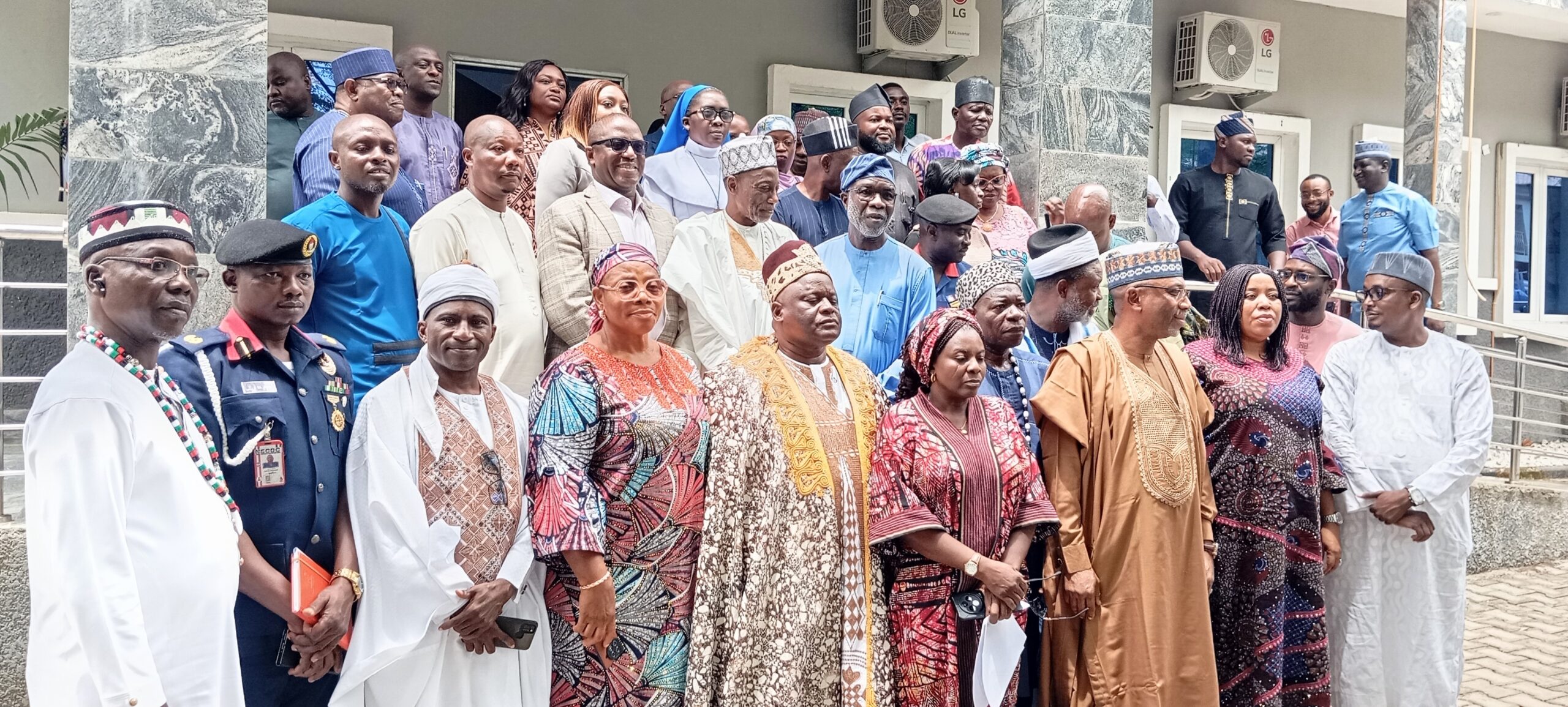
The Director CDD-West Africa, Dr. Dauda Garuba, said this on Monday in Abuja during a project dissemination meeting on Impact Dissemination on Sustaining Information Literacy and Social Cohesion (StILASC) in Nigeria.
It was themed, “From Awareness to Action: Sustaining Community-Led Responses to Misinformation, Disinformation, and Hate Speech in Nigeria”.
Dr. Garuba speaking at the End-of-Project Phase, StILASC, said that the growing spread of false information was no longer a peripheral issue but a core challenge undermining national stability and good governance.
According to him, there is the need for sustained efforts to strengthen information literacy and community-driven approach to promote social cohesion in Nigeria and across West Africa.
“The integrity of information ecosystems had become central to achieving democratic governance, human security and inclusive development in the region,” Garuba said.
He said that over the course of the StILAC project, CDD collaborated with a broad range of stakeholders, including community dialogue committees and civil society groups.
He said that the programme also collaborated with security agencies, journalists, women and youth organisations as well as persons with disabilities to tackle the problem at the grassroots level.
He said, “These structures have shown that when communities are equipped with the right tools, such as information literacy and verification skills, they become powerful actors in countering harmful narratives and safeguarding peace.”
Dr. Garuba said that societies where citizens could critically assess information and resist manipulation were better positioned to strengthen accountability and sustain democratic processes.
The CDD-West Africa boss reaffirmed his organisation’s commitment to advancing sustainable democracy and development, stressing that protecting the integrity of information space must remain a shared responsibility across all levels of the society.
Also speaking, the Team Lead of SPRiNG, Dr Ukoha Ukiwo, said the programme, which had been running since May 2024, was initiated to reduce violence in Nigeria.
Ukiwo said that the UK-backed programme was aimed at curbing violence and strengthening community resilience in Nigeria.
He said that the programme is also aimed to tackle hate speech and misinformation, both of which were identified as key drivers of conflict in parts of the country.
“Findings from early engagements with stakeholders in the North-West and North-Central zones revealed that divisive narratives, misinformation and hate speech were major triggers of violence.
“This had informed the decision to invest in initiatives that would address harmful contents, particularly within the rapidly expanding social media space.
“It is against this fact that the UK Foreign Commonwealth and Development Office (FCDO) felt we needed to leverage the experience and social capital of the Centre for Democracy and Development to implement this intervention,” Ukiwo said.
He noted the importance of stakeholder engagement, calling on community actors, media practitioners and government representatives to actively interrogate findings, ask critical questions and rely on evidence-based approaches to counter violence.
Also speaking at the event, Conflict Adviser, British High Commission and Programme Responsible Owner SPRiNG, Pirmah Rimdans, said strengthening information literacy and social cohesion project was conceived to address challenges facing conflict-affected communities.
“The harmful narratives of misinformation, disinformation and hate speech do not exist in isolation; they interact with historic grievances, economic pressures, identity politics and insecurity, and often act as triggers that escalate tensions into violence.
“The project is set out to explore how strengthening information literacy and creating spaces for inclusive dialogue could help communities become more resilient to harmful narratives.
“Its focus reflects an understanding that credible information, trust and dialogue are not abstract concepts but practical tools for peace building, particularly in fragile and conflict-affected contexts.
“Sustainable peace cannot be achieved if significant segments of the society are excluded, and this initiative was structured with that reality in mind,” Rimdans said.
According to him, the SPRiNG programme was committed to focusing on violence prevention through tackling root causes of conflicts, strengthening local capacity and amplifying community-led solutions.
Participants were urged to move beyond reflection and commit to embedding community-led approaches into policy and practice, while strengthening the link between grassroots resilience and national stability.
The project was implemented in four states of Kaduna, Katsina, Plateau and Benue by the CDD-West Africa, UK FCDO, Strengthening Peace and Resilience in Nigeria (SPRiNG) and TETRA TECH.
Discover more from TheTimes Nigeria
Subscribe to get the latest posts sent to your email.