Nigeria has beaten 145 countries to win the Accountability Prize of the Global Privacy Assembly, a development seen as a major international endorsement of the country’s fast-rising data protection regime.
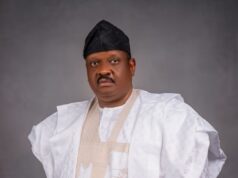
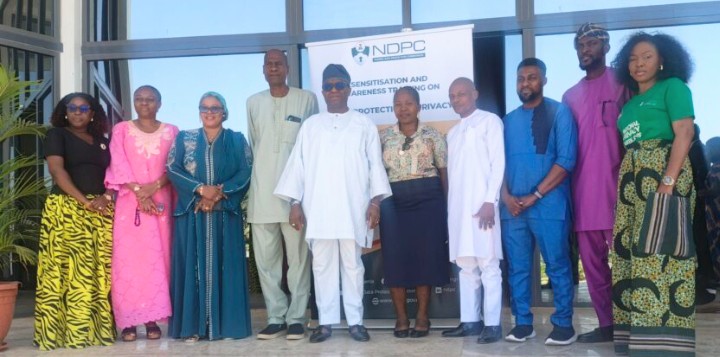
The National Commissioner of the Nigeria Data Protection Commission (NDPC), Dr. Vincent Olatunji, disclosed this in Abuja on Friday during a capacity-building training for members of the Nigeria Information Technology Reporters Association (NITRA).
Olatunji said the Global Privacy Assembly is a body of 145 countries with enforceable data privacy laws and independent data protection authorities, where member states exchange ideas, peer-review one another, learn new technologies and measure progress in the evolving privacy ecosystem.
According to him, Nigeria’s unique Public-Private Partnership model was the secret behind the global recognition.
“One thing that is really working for us in Nigeria is the PPP model. That’s the Public-Private Partnership model, where we license DPCOs to carry out compliance on behalf of government. The whole world has seen that model as very unique and impactful,” he said.
He added that the award was a collective victory, crediting the media for projecting Nigeria’s reforms to the world.
He said, “The whole world actually celebrated Nigeria, and that wouldn’t have happened without your input. No matter what we are doing back home here, if you don’t put them out there, nobody will see, nobody will know it.”
Olatunji, however, warned journalists not to limit themselves to reporting, saying the data privacy ecosystem is now a goldmine of career and business opportunities.
He said that Section 32 of the Nigeria Data Protection Act mandates all data controllers and processors to engage the services of Data Protection Officers (DPOs).
“When we started, we had less than 1,000 data protection officers in all of this country. I was the only certified data protection officer in the Commission. But today, over 90 per cent of our staff are certified. And in Nigeria, we have over 10,000 certified data protection officers,” he said.
He said DPOs are in high demand globally, noting that in the United Kingdom, 94.7 per cent of breaches are due to lack of qualified personnel.
“You can be a journalist and at the same time serve as a DPO. You can be a DPO for four, five, ten organisations. You can be a freelance DPO. Nobody ties you down to any particular spot. So this is where you can remain, make extra money and be more relevant,” he said.
Olatunji, saying that he is a geographer by profession up to PhD level, recounted how he knew nothing about privacy when he was asked to lead the team, but went for certification and sharpened his skills.
He said the ecosystem is projected to create over 500,000 jobs, in line with President Bola Tinubu’s campaign promise of 2 million jobs in the digital economy. Already, over 27,000 jobs have been created in less than three years.
He also revealed that in the last two years, about 18 countries have visited Nigeria to understudy its model, while many others are seeking partnership in Brussels, Egypt and Qatar.
On enforcement, Olatunji said Nigeria’s approach is different from the “fine-first” style of other regulators.
“We don’t just hit you with fines. We see us as partners within the same ecosystem. When you cross the red line, we show you the law. When you comply, we work with you. We are friends and we are partners,” he said.
He said the Commission prefers remediation to punishment, because its regulation is aimed at stimulating growth and development, not running businesses out of business.
In his remarks, NITRA President, Mr. Blessing Olaifa, described Olatunji as the most media-friendly agency head, who has maintained a personal relationship with journalists for over 10 years.
He said the training was an eye-opener, noting that many journalists had taken for granted issues like republishing archived stories, which could amount to data privacy infractions.
He appealed to the NDPC to absorb more NITRA members in its next recruitment and include them in DPO training.
“Some of us are aged and quitting the job very soon. But like you said, we can become DPOs. Many of our colleagues are also interested,” Olaifa said.
Discover more from TheTimes Nigeria
Subscribe to get the latest posts sent to your email.