The Centre for Democracy and Development West Africa has called for deliberate efforts to preserve Nigeria’s democratic history, warning that the country’s pro-democracy struggles could be lost if they are not properly documented for future generations.
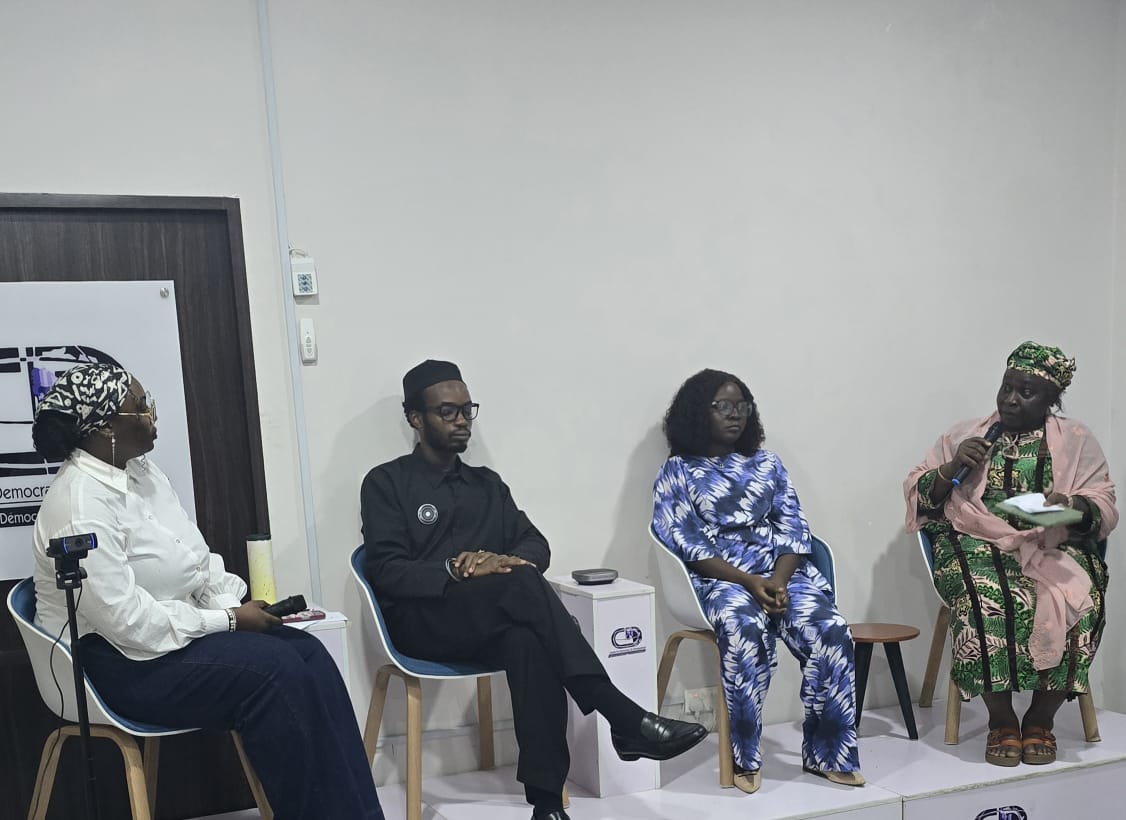
The organisation made the call on Friday in Abuja during the launch of Aluta Continua: Aesthetic of the Nigerian Left, 1950s–2000s, a visual history book hosted by CDD West Africa in collaboration with the Movement Lab Collective.
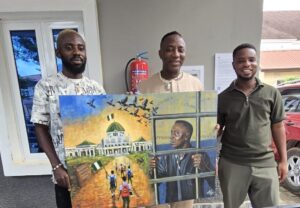
Speaking at the event, the Director of CDD West Africa, Dr Dauda Garuba, said the publication was conceived to archive Nigeria’s democratic journey and ensure that the sacrifices of pro-democracy activists were not forgotten.
He said, “Since independence, or even before independence, Nigeria has had a tortuous march towards freedom and liberation. That process has produced bruises, milestones and challenges.
“If there is no concrete and deliberate effort to document this history, there is the tendency that, in years to come, people will see all the effort that went into it as having dissipated.”
Garuba explained that the project involved gathering historical records, particularly printed materials, and preserving them in accessible archives for researchers and future generations.
He noted that the use of photographs in the publication would make the stories more engaging and authentic.
“The evidence is in the picture. Every picture carries a message of its own. If you are telling history with pictorial evidence, it tends to say much more than simply reading prose,” he said.
Garuba described the publication as a rich historical document, urging Nigerians to obtain copies because of the extensive research and fieldwork that produced it.
“As someone who was directly involved and signed some of the bills and cheques that funded the travels and other activities that produced this book, I can tell you that it is a very rich document,” he added.
Also speaking, co-author of the book, Omole Ibukun, described the publication as a visual account of Nigeria’s democratic struggles from the perspective of ordinary citizens rather than political elites.
He said, “History is often written by the victors, not the vanquished. Over the years, the Nigerian ruling class has been the one writing the history that we read.
“This book is an attempt by the class that has been fighting for democracy—the people, the masses—to write its own history.”
Ibukun added that the publication offered hope by demonstrating that ordinary Nigerians had played significant roles in shaping the country’s democracy.
“It is a story about people like us, who may be broke, unpopular and powerless, yet were able to change something about democracy in their country,” he said.
He maintained that the book would encourage young Nigerians to continue defending democratic values.
“It reminds those who have not learned from history that dictatorship will never be an alternative to democracy,” Ibukun added.
Publisher of Sahara Reporters, Omoyele Sowore, also commended the project, describing it as an important contribution to understanding Nigeria’s democratic evolution.
He said the publication highlighted the sacrifices made by ordinary Nigerians, labour activists, students and women, whose contributions were often overlooked in official accounts of the country’s return to civil rule.
“You rarely see this history told from the standpoint of ordinary people, young people like myself, labour leaders and women who bore the burden of ending military rule and bringing about democracy,” he said.
Sowore argued that Nigeria’s historical narrative remained incomplete because many accounts reflected only the perspectives of those in power.
“We do not have a complete history. We have what I call a sabotaged history. It is often only a little of what the leaders want readers or students to know,” he said.
He expressed optimism that the publication would help broaden public understanding of Nigeria’s democratic struggles and eventually find its way into the country’s educational curriculum.
According to him, preserving diverse historical accounts is essential to strengthening democracy and ensuring that future generations appreciate the sacrifices that shaped modern Nigeria.
Discover more from TheTimes Nigeria
Subscribe to get the latest posts sent to your email.