The Amalgamated Union of Public Corporations Civil Service Technical and Recreational Services Employees (AUPCTRE) and water justice groups have expressed worry on the absence of a clear path to guaranteeing universal access to water for Nigerians by political parties currently campaigning for the 2027 elections.
The groups also demanded an answer from the ruling All Progressives Congress (APC) on why ordinary Nigerians have not felt the impacts of its national potable water supply promise in the Renewed Hope Manifesto in the 2023 election. The manifesto has as goal that, by the end of the decade, no citizen lives more than five minutes from a clean water source.
The coalition included the Citizens Free Service Forum (CFSF), the Renevlyn Development Initiative (RDI), Ecumenical Water Network (EWN) Africa, Child Health Organisation (CHO), the Environmental Defenders Network (EDEN) and the New Life Community Care Initiative (NELCCI).
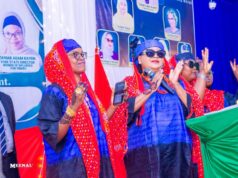
Rising from a meeting with the new national executives of AUPCTRE in Abuja led by Comrade Eugene Maji, they re-echoed that their observations about the parlous state of water utilities had also been captured in Dry Taps: A Damning Verdict on the State of Water Utilities in Nigeria.
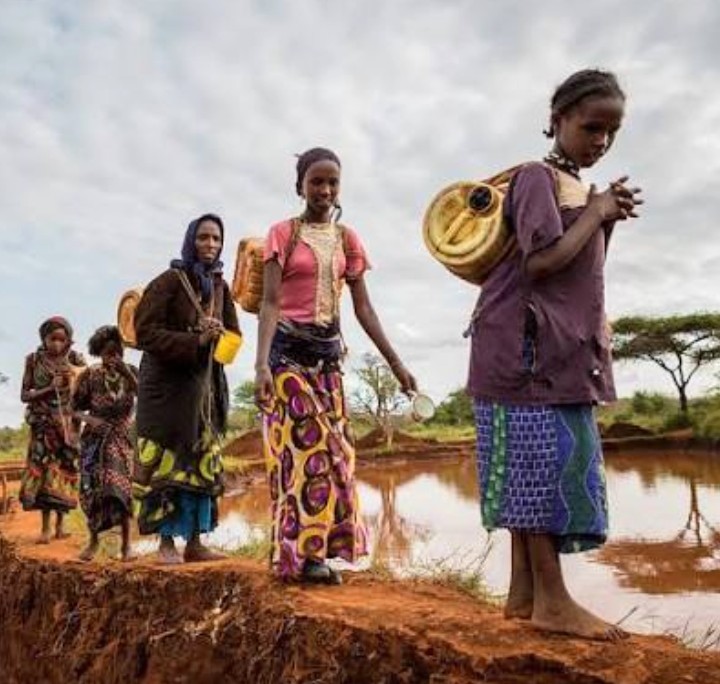
They said that instead of progress, current global metrics show that clean water access in Nigeria is around 29.90% even as institutional fragmentation across state and federal levels continue to stall progress in the water sector.
The report exposed how water utilities have been neglected by the federal and state governments and are now operating far below capacity, thus forcing most Nigerians to depend on unwholesome and expensive alternatives. The report, released in 2025 covered Oyo, Lagos, Kogi, Enugu, Edo and Kano states.
In a statement issued in Abuja, the groups said they find it worrying that as the political parties and politicians reel out their plans when elected into office or re-elected, there is almost no mention of access to water, indicating they do not see it as a priority.
AUPCTRE National President, Comrade Eugene Manji said, “It would seem access to water is not a priority by the current government and those haggling for political office in the next dispensation. As we speak, millions of Nigerians are forced to either source water from unwholesome sources or for those who can afford it, they pay through their noses for commodified water.
“This anomaly continues to expose Nigerians to water borne diseases for the poor and for the rich, different toxic chemicals that are not meant for the body”.
Also, CFSF Executive Director, Comrade Sani Baba said, “Our observations are valid and cannot be ignored by the ruling party and those who intend to take over leadership from them. None of them have disclose any meaningful plan to address the nation’s water crisis.
“Nigerians must not take any party that has no clear agenda to address the water crisis serious. In fact, it will no longer be business as usual. The litmus test for us to listen to them is for them to disclose their plans to guarantee universal access”.
In his intervention, Executive Director of RDI, Philip Jakpor said, “The United Nations has said it and we agree with them that water underpins food, energy, health and even climate resilience and yes, it must be treated as the driver of economic opportunity. It is totally unacceptable that in the manifesto of the political parties every other matter takes precedence over this finite resource.
The groups resolved to press for commitments from the existing political parties and reiterated their opposition to private-sector takeover of state water corporations built with public funds, including the aggressive Public Private Partnership (PPP) model of water privatization being advanced by the Lagos state government.
One of the critical recommendations that the groups want the political parties to explore includes the Public-Public Partnership (PuP) model, which is a collaboration between two or more public and non-profit organizations to cooperate on providing public services, building infrastructure, or sharing technical expertise.
They also want the prioritization of decent work places through adequate welfare, and fair wages to help workers navigate the current economic challenges they are contending with due to the policies of the current administration.
Discover more from TheTimes Nigeria
Subscribe to get the latest posts sent to your email.