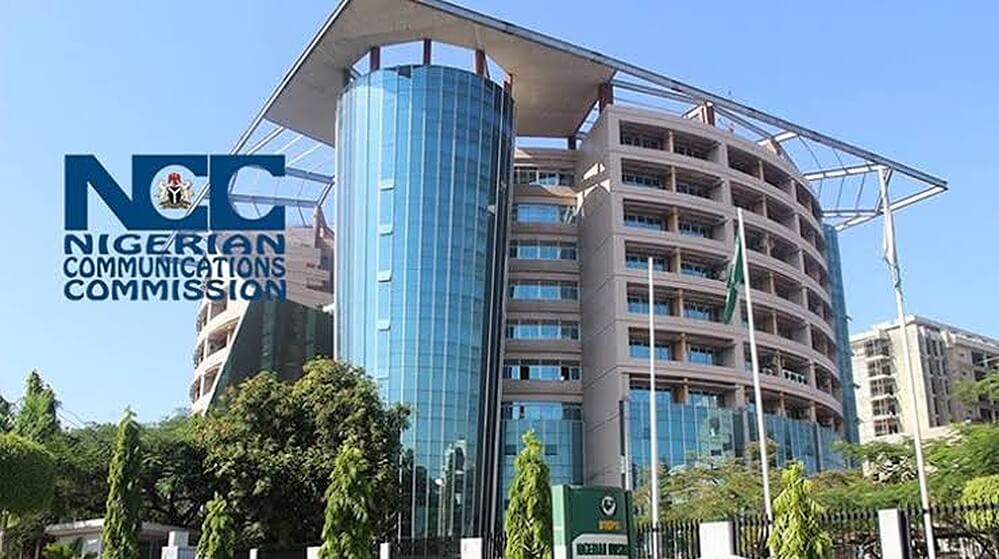
The Nigerian Communications Commission (NCC) has commenced the implementation of an enhanced Type Approval Compliance framework aimed at identifying fake, cloned and non-compliant SIM-enabled communication devices in Nigeria.
The Director of Technical Standards and Network Integrity at the NCC, Engr. Edoyemi Ogoh, said this on Tuesday, during a media briefing at the Commission’s head office annex in Mbora, Abuja.
He said that the initiative is to improve network performance, strengthen consumer protection and ensure that communication devices imported, sold and used in the country meet established technical and regulatory standards.
According to him, the initiative would also enable the Commission to electronically verify the Type Approval status of SIM-enabled devices, making it easier to identify equipment that does not comply with applicable requirements.
“The integrity of the telecommunications industry depends not only on network infrastructure but also on the quality, safety and compliance of the devices that access and are used on these networks,” he said.
Ogoh said that the quality and safety of devices connected to telecommunications networks are essential to maintaining reliable services and protecting consumers.
He said that the Type Approval was more than a regulatory requirement, as it also a vital mechanism for protecting consumers, safeguarding network performance and preserving confidence in Nigeria’s digital economy.
While saying that the enhanced compliance framework would strengthen regulatory oversight as the telecommunications industry continued to expand, he added that the Commission’s regulatory responsibility was backed by Section 132(2) of the Nigerian Communications Act 2003, which requires relevant service providers, facilities providers, equipment manufacturers and suppliers to obtain Type Approval before communications equipment can be sold or used in Nigeria.
Engr. Ogoh said that the initiative would equally help improve compliance with technical standards, facilitate the identification of non-compliant devices and boost consumer confidence in communication equipment available in the Nigerian market.
He said, “The Commission’s objective in this regard is to enhance compliance, improve regulatory effectiveness, and ensure that legitimate businesses can operate in a fair and transparent environment.”
He said that the Commission had engaged stakeholders across the device value chain following the issuance of its Type Approval Business Rules in August 2024.
He said that the consultations involved original equipment manufacturers, importers, dealers, telecommunications service providers, government agencies and industry associations, whose contributions helped shape the implementation process.
He added that the NCC was working with relevant stakeholders, including the Nigeria Customs Service (NCS), manufacturers, importers and market associations, to ensure compliance an effective implementation of the policy.
He said devices already in stock were being onboarded into the system, while devices imported into Nigeria in the future would undergo the necessary verification and authentication processes.
“This will provide a more effective mechanism for identifying non-compliant, cloned, or fake devices and prevent them from connecting to our networks,” Ogoh said.
He advised Nigerians to take an active role in ensuring compliance by confirming the approval status of devices before purchasing them.
The NCC Director also urged consumers buying mobile phones, tablets, modems, point-of-sale (POS) terminals and other SIM-enabled devices to ask sellers whether the products had received NCC Type Approval.
He noted that non-compliant devices could create challenges for network performance and complicate regulatory oversight, stressing that stronger compliance would contribute to the reliability and efficiency of telecommunications services used by millions of Nigerians.
He assured that the Commission would be available to assist Nigerians during the implementation of the policy and that consumers can dial *315# or call 315 to check the compliance of new devices before purchase.
The development was coming on the heels of the September 2026 announcement by the Commision’s that it has commenced the registration and authentication of SIM-enabled devices in Nigeria as part of a new enforcement framework to identify illegally imported and non-compliant communications equipment.
The NCC disclosed this in a statement signed by its Director of Public Affairs, Nnenna Ukoha, titled, “NCC Strengthens Type Approval Compliance for SIM-Enabled Devices in Nigeria.”
The telecoms regulator said that the initiative would create a central registry of devices operating in the country and require SIM-enabled equipment brought into Nigeria to be registered before being sold.
According to the commission, the initiative is part of efforts to strengthen compliance with its Type Approval requirements, which ensure that communications devices imported, sold and used in Nigeria meet prescribed technical and regulatory standards.
Under the framework, unregistered devices will not be allowed to operate on Nigerian mobile networks.
Discover more from TheTimes Nigeria
Subscribe to get the latest posts sent to your email.