Civil society organisations working on early childhood development (ECD) have urged the Federal Government to treat childhood nutrition and breastfeeding as strategic economic investments, warning that Nigeria’s ambition to build a $1 trillion economy could be undermined by persistent child malnutrition and poor early childhood outcomes.
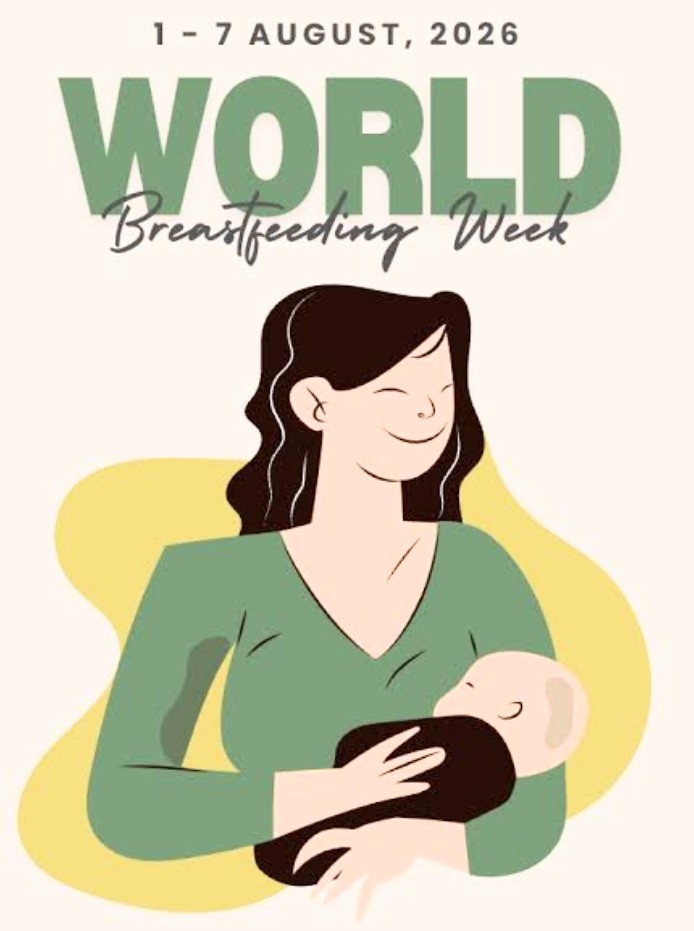
The theme for the World Breastfeeding Week 2026 is ‘Breastfeeding for a sustainable start in life: strengthen what works.’ The global campaign was observed from August 1 to August 7, 2026.
They made the call on Tuesday in a joint statement as part of activities marking this year’s World Breastfeeding Week, citing an estimated annual loss of between $12 billion and $21 billion in future economic productivity linked to Nigeria’s failure to adequately protect and support breastfeeding.
The statement was co-signed by Enene Ejembi of Verbatim Virtual Solutions; Omolara Otujo of Community Child Education and Development; Dr Amenze Eguavoen of Lluvia Health Organisation; Ndidichukwu Odoh of C-WINS; and Child & Youth Protection Foundation (CYPF).
According to them, poor nutrition and inadequate support for breastfeeding were contributing to an estimated 103,742 child deaths annually, while the country’s stunting rate has remained between 37 and 40 per cent for about two decades.
The CSOs said that early childhood development should no longer be treated primarily as a social welfare issue, but as a form of economic infrastructure capable of determining the quality and productivity of Nigeria’s future workforce.
They noted that the first 2,000 days of a child’s life represent a critical period of development, stressing that setbacks during this period could be difficult to reverse.
They also noted that only 29 per cent of Nigerian infants below six months are exclusively breastfed, while the average duration of exclusive breastfeeding is approximately 2.8 months.
The groups said the World Health Organisation (WHO) identifies exclusive breastfeeding during the first six months of life as a critical public health intervention, providing protective benefits against infections, diarrhoea and pneumonia, which are among the major causes of infant morbidity and mortality.
They further warned that poor nutrition during the first 2,000 days, including failure to initiate breastfeeding within the first hour of life, could leave children vulnerable to impaired brain and physical development, stunting, wasting and learning difficulties.
The organisations said stunting currently affects about four in every 10 Nigerian children under five and drains an estimated $4 billion to $6 billion from the economy annually.
Enene Ejembi of Verbatim Virtual Solutions said investing in the nutritional wellbeing of children and supporting young mothers to breastfeed would have long-term implications for Nigeria’s human capital and economic productivity.
“A well-nourished child is more likely to learn effectively, develop the capabilities to participate productively in the economy, and contribute to national prosperity,” Ejembi said.
“Investing in young mothers and their capacity to breastfeed healthily and easily is therefore an investment in Nigeria’s future human capital, workforce productivity and long-term economic growth,” he added.
The CSOs said Nigeria’s problem was not necessarily a shortage of programmes but the fragmented manner in which early childhood development interventions were being implemented.
They noted that responsibilities for ECD were spread across different ministries and government agencies, resulting in policies and interventions that were often poorly coordinated.
According to them, programmes designed and implemented in isolation cannot deliver optimal outcomes because nutrition, healthcare, early learning, responsive caregiving and child protection are interconnected.
Dr Amenze Eguavoen of Lluvia Health Organisation said breastfeeding could not be promoted effectively without creating the conditions that enabled mothers to practise it successfully.
“But breastfeeding cannot happen in isolation; mothers need the knowledge, support, enabling environments and responsive health systems to breastfeed successfully,” Eguavoen said.
To address the challenges, the CSOs called for the establishment of a multi-sectoral Early Childhood Development Council with real budgetary authority, to coordinate ECD interventions and end fragmented spending across ministries.
They also advocated results-based financing that would reward measurable outcomes across nutrition, early learning, healthcare and child safety, rather than funding activities in separate institutional silos.
The organisations further called for mandatory enabling conditions for breastfeeding, including adequate paid maternity leave, workplace breastfeeding support and maternal education.
They said such measures were necessary to prevent women from being forced to return to work only weeks after childbirth at the expense of their children’s nutrition and development.
The CSOs described breastfeeding as the single most important infant survival intervention globally, noting that it has the potential to avert nearly 823,000 infant deaths annually.
They also said breastfeeding was central to the ‘Nurturing Care Framework, where nutrition, healthcare, responsive caregiving, security and early learning converge.
The organisations stressed that strategic investment in ECD was essential if Nigeria was to develop the human capital required to drive its economy towards the $1 trillion target and prepare a productive workforce for 2050.
Discover more from TheTimes Nigeria
Subscribe to get the latest posts sent to your email.