Ahead of the 2027 General Elections, religious leaders, democratic scholars, security agencies, the media, and civil society organisations (CSOs) have called for peaceful, inclusive, and violence-free elections, urging Nigerians to shun apathy and view the electoral process as a celebration of democratic choice rather than a season of fear and conflict.
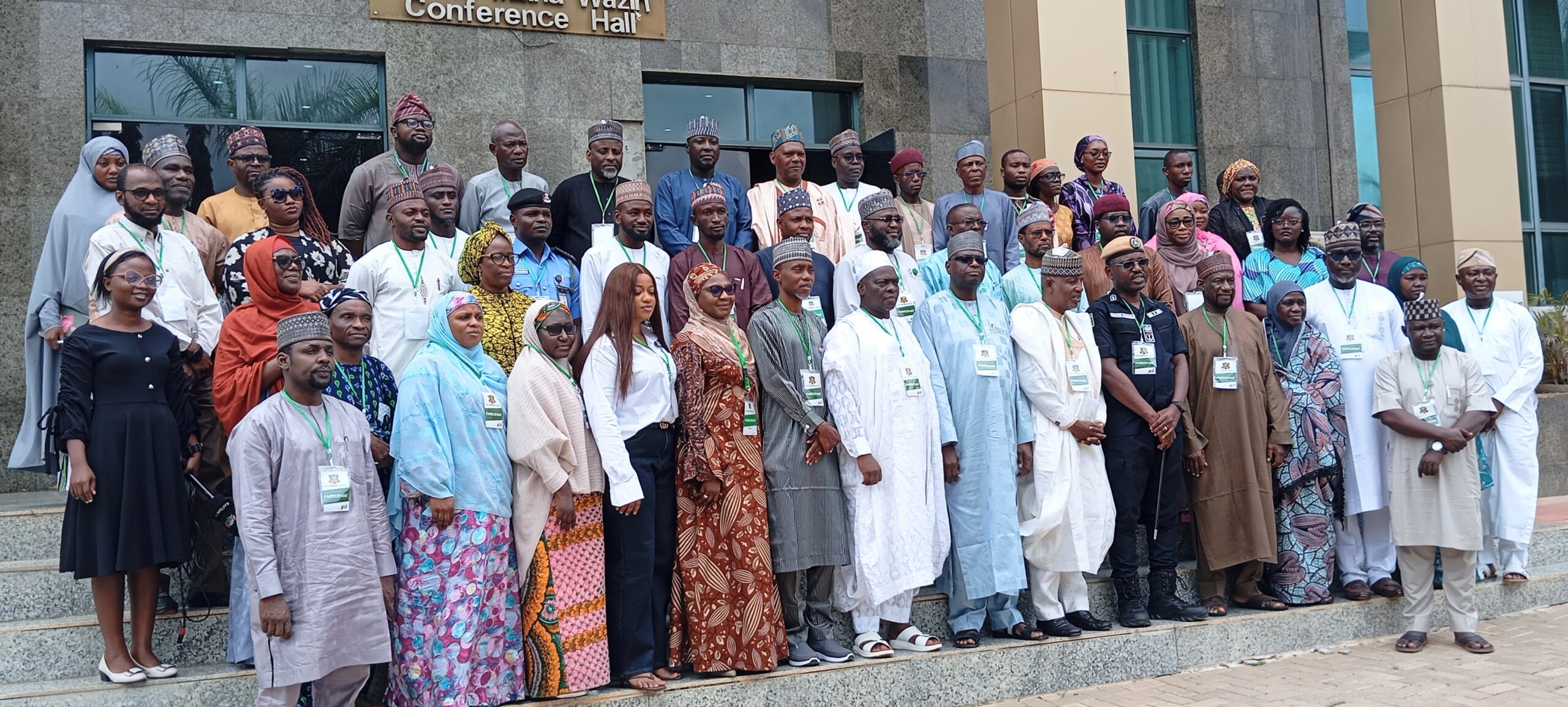
They made the call on Wednesday in Abuja during a one-day stakeholders’ workshop on “Electoral Engagement and Peaceful Democratic Participation”, organised by the Al-Habibiyyah Islamic Society (AIS) in collaboration with Mambayya House, the Aminu Kano Centre for Democratic Studies, Bayero University, Kano, with support from the MacArthur Foundation.
Speaking at the event, the Executive Director and National Chief Imam of Al-Habibiyyah Islamic Society, Sheikh Fuad Adeyemi, said elections should reflect the collective will of the people and not be characterised by intimidation, violence, and anxiety.
“As we look forward to our democratic future, the challenges of electoral engagement and peaceful participation loom large. Elections should be a celebration of choice, not a season of fear,” he said.
Adeyemi described voting as a sacred trust (Amanah), stressing that the way citizens cast, protect, and respond to election outcomes reflects their moral character.
“Allah commands you to render back your trust to those to whom they are due. Rendering trust is in the election and those that we have elected. Our vote is a sacred trust (Amanah). How we cast it, how we secure it, and how we behave before, during and after the process defines our character,” he said.
He said the workshop was designed to educate communities on their civic responsibilities, discourage electoral violence and promote patience, tolerance and respect for differing political opinions.
He urged participants, including religious leaders, community leaders, youth and women groups, security agencies and CSOs to take the lessons from the workshop back to their communities, saying democratic values must be nurtured in mosques, schools, marketplaces and homes.
Sheik Adeyemi also noted the Al-Habibiyyah’s concept of “developmental clericalism”, which encourages religious leaders to go beyond leading prayers by actively promoting social development, accountability and ethical leadership.
He said the partnership with Mambayya House was deliberately created to combine faith-based moral guidance with democratic education to encourage peaceful civic participation.
He said, “We are leveraging our unique strengths to remind our communities that participating in the democratic process is not just a civic right but also a moral obligation that must be exercised with integrity, honesty and absolute peace. The collaboration is one of the most impactful partnerships for strengthening Nigeria’s democracy.”
Also, the African Director of the MacArthur Foundation, Dr. Kole Shettima, represented by the Foundation’s Deputy Director for Africa, Dr. Amina Salihu, said Nigerians must abandon the culture of treating elections as a “do-or-die affair.”
Drawing lessons from Australia’s electoral culture, Salihu recalled attending the 2018 International Political Science Association Conference in Brisbane, where she observed that election day was celebrated like a community festival.
“In Australia, people vote and then head to the beach with their families. They even have what they call the ‘democracy sausage’, a special barbecue associated with election day. People simply ask their neighbours, ‘Have you voted?’ and then continue celebrating. Elections should be a matter of choice, not a matter of fear,” she said.
She noted that changing citizens’ attitudes towards elections would require sustained civic education and behavioural change capable of replacing fear and violence with public confidence and civic responsibility.
Speaking earlier, the Director of Mambayya House, Prof. Abubakar Mohammed, said that his institution and the Al-Habibiyyah Islamic Society had jointly developed a comprehensive national intervention aimed at promoting peaceful, credible, inclusive, and violence-free elections ahead of the 2027 polls.
According to him, the initiative seeks to deepen civic education, strengthen youth participation, combat misinformation and hate speech, promote intergenerational dialogue, support community-based peacebuilding and enhance collaboration among government institutions, civil society organisations, traditional rulers, and religious leaders.
He added that the two organisations remained committed to implementing the programme regardless of funding.
Mohammed said the partnership, which builds on an earlier MacArthur Foundation-supported project, was intended to complement the work of electoral institutions by mobilising citizens to participate actively in democracy while rebuilding public confidence in the electoral process.
According to him, the proposed intervention seeks to deepen civic education, strengthen youth engagement, counter misinformation and hate speech.
“It also aims to promote interface and intergenerational dialogue, support community-based peace-building mechanisms and enhance collaboration among state institutions, civil society organisations and traditional and religious leaders.”
Delivering a keynote titled: ‘Electoral Engagement and Peaceful Democratic Participation in Nigeria: Issues, Challenges and Prospects’, Prof. Abubakar Sadeeque Abba of the Political Economy and Development Studies, Conflictology and Alternative Paradigms, Department of Political Science and International Relations, University of Abuja, bemoaned the disjoint in the nation’s electoral and democratic system.
According to him, Nigeria’s democratic process is confronted by numerous structural and institutional challenges that continue to undermine good governance and public confidence in elections and its processes.
“Nigeria’s democratic system suffers from the absence of clear political ideologies, a situation that has weakened party politics and contributed to persistent internal crises within political parties. The lack of ideological distinction among political parties has encouraged political defections, undermined democratic accountability and limited meaningful policy debates, thereby posing significant challenges to the country’s democratic development,” Abba said.
He, therefore called for a comprehensive overhaul of Nigeria’s democratic system, arguing that it must be reformed to better reflect the aspirations and interests of the Nigerian people.
Also speaking, the Commissioner of Police in charge of Election Planning, Monitoring and Evaluation, Dr. Abayomi Shogunle, who represented the Inspector-General of Police (IGP), said the Nigeria Police Force (NPF) had reviewed lessons from previous elections and introduced new strategies to improve election security.
He stressed that extensive studies had helped the Force identify the causes of election-related security challenges, adding that proactive measures were already producing positive outcomes, as demonstrated during the recent governorship elections in Anambra and Ekiti states.
On his part, the National President of the Nigeria Union of Journalists (NUJ), Comrade Alhassan Yahaya Abdullahi, described the workshop as timely, saying the media remained indispensable to voter education, credible election reporting, and democratic accountability.
He urged the Federal Government to strengthen the media through targeted intervention programmes and urged the Independent National Electoral Commission (INEC) and development partners to expand capacity-building initiatives for journalists covering elections.
Participants, in their aggregate contributions, agreed that peaceful elections require collective action by all citizens, irrespective of their classifications.
They noted that sustained civic education, responsible political conduct, and stronger community engagement would be critical to ensuring that the 2027 general elections strengthen, rather than threaten Nigeria’s democratic development.
Discover more from TheTimes Nigeria
Subscribe to get the latest posts sent to your email.