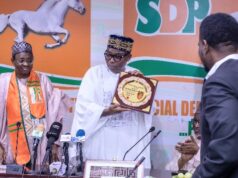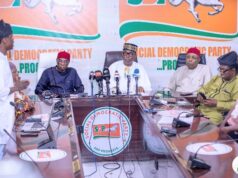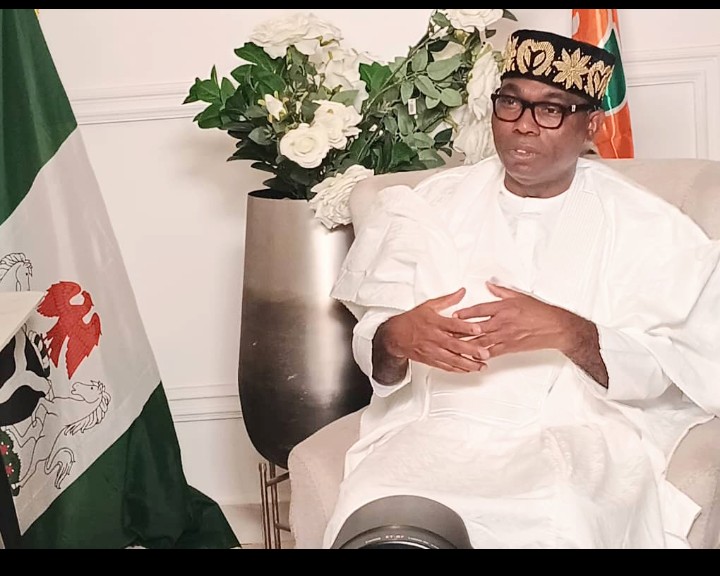
Presidential candidate of the Social Democratic Party (SDP) for the 2027 election, Prince Adewole Adebayo, has declared that Nigeria is yet to attain true democracy, insisting that the country is still operating under what he described as “civilian rule” rather than a full democratic system.
Speaking during an interview with newsmen following the country’s Democracy Day celebration, Adebayo argued that while Nigeria has sustained uninterrupted civilian governance since 1999, democratic values such as accountability, rule of law, credible elections, and citizens’ welfare remain weak.
According to him, the nation’s challenges have worsened over the years, despite political transitions.
“Since 1993, only two things have changed — our problems have become bigger, and our democratic space has become smaller,” Adewole said.
The SDP presidential candidate warned that worsening poverty and insecurity could escalate into instability if urgent measures are not taken.
He said, “Poverty has grown and given birth to insecurity. If we fail to address both, they may eventually give rise to instability, revolution, or even genocide.”
Reacting to President Bola Ahmed Tinubu’s “Renewed Hope” agenda, Adebayo said Nigerians are struggling to connect government promises with present-day realities.
While acknowledging the need for long-term planning, he stressed that governments must prioritise immediate concerns affecting citizens.
“A president is elected for the present, not the future. Hungry people cannot eat in the future. Children of school age cannot go to school in the future. Security problems cannot wait,” he stated.
He also criticised what he described as the present administration’s focus on future promises while neglecting urgent economic and security concerns.
Reforms deception
Adebayo also dismissed claims that the current administration is implementing reforms, stressing that policy changes have not translated into structural improvements.
He said, “There are no reforms. Renaming problems is not reform. Increasing taxes and calling it tax reform is not reform.”
On petroleum sector reforms, Adewole moted that government-owned refineries remained largely ineffective despite promises of improvement.
Leadership must communicate
The SDP presidential candidate accused political leaders of becoming increasingly disconnected from citizens’ struggles, arguing that leadership requires constant communication and responsiveness.
He said, “The president speaking to the people is good, but the president listening to the people is more important.”
He contrasted his accessibility with what he described as limited public engagement by leaders in power, insisting public office holders must regularly explain policies and challenges to Nigerians.
Electoral reforms and INEC independence
On Nigeria’s electoral process, Adebayo called for constitutional amendments to make the Independent National Electoral Commission (INEC) truly independent.
He proposed removing presidential powers to appoint electoral commissioners, arguing that politicians should not influence the institution responsible for conducting elections.
“INEC cannot be truly independent when politicians appoint those running it,” he said.
He also advocated real-time transmission of election results and improved voting systems to reduce manipulation and restore public confidence.
Security spending and accountability
On the nation’s rising insecurity despite huge defence allocations, Adebayo questioned the effectiveness of security spending and called for greater transparency in defence budgeting.
He dismissed arguments that probing defence expenditure could weaken troop morale.
“The issue is not just budgeting money for defence; it is whether the money reaches the armed forces and is properly utilised,” he stated.
Adebayo further criticised the reintegration of repentant terrorists, saying Nigerians deserve stronger security strategies capable of protecting communities from violent attacks.
Despite his criticisms, the SDP stalwart said Nigeria’s challenges remain solvable if leaders prioritise citizens’ welfare and embrace practical governance.
“These are problems we can overcome, but leadership must be willing to do what is right,” he said.
Discover more from TheTimes Nigeria
Subscribe to get the latest posts sent to your email.